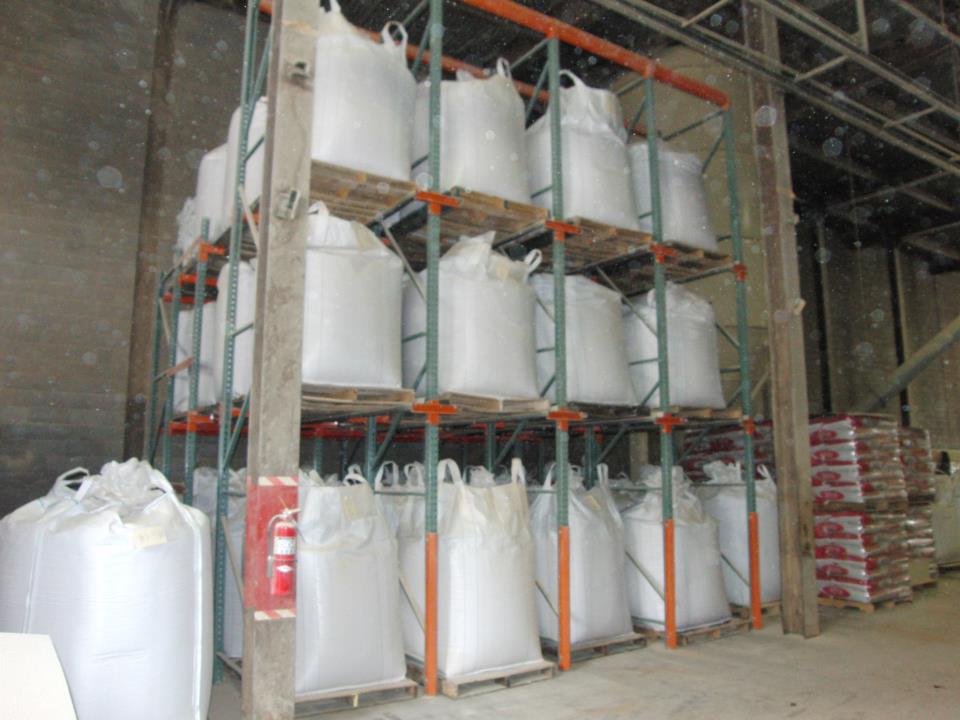
Drive-In Rack in Riverton, UT
Drive-in rack in Riverton can turn some aisle area into reserve storage for a warehouse holding repeated pallets of a limited product range. The tradeoff is reduced access: pallets behind the opening cannot be selected independently while other loads remain in front of them.
Building-products wholesalers and light manufacturers should start by separating common stock from specialty items. Matching cartons or bundles do not necessarily mean matching handling needs. Pallet construction, load overhang, replenishment quantities, and withdrawal order all influence whether a product belongs in a truck-entry lane or a more accessible position.
Drive-in pallet rack support comes before position totals
Confirm how each pallet will bear on the supporting rails. Review its dimensions, underside construction, condition, and loaded weight, including whether the load remains stable during placement. A nominal pallet size is not enough when different suppliers deliver bases with different contact surfaces or variable overhang.
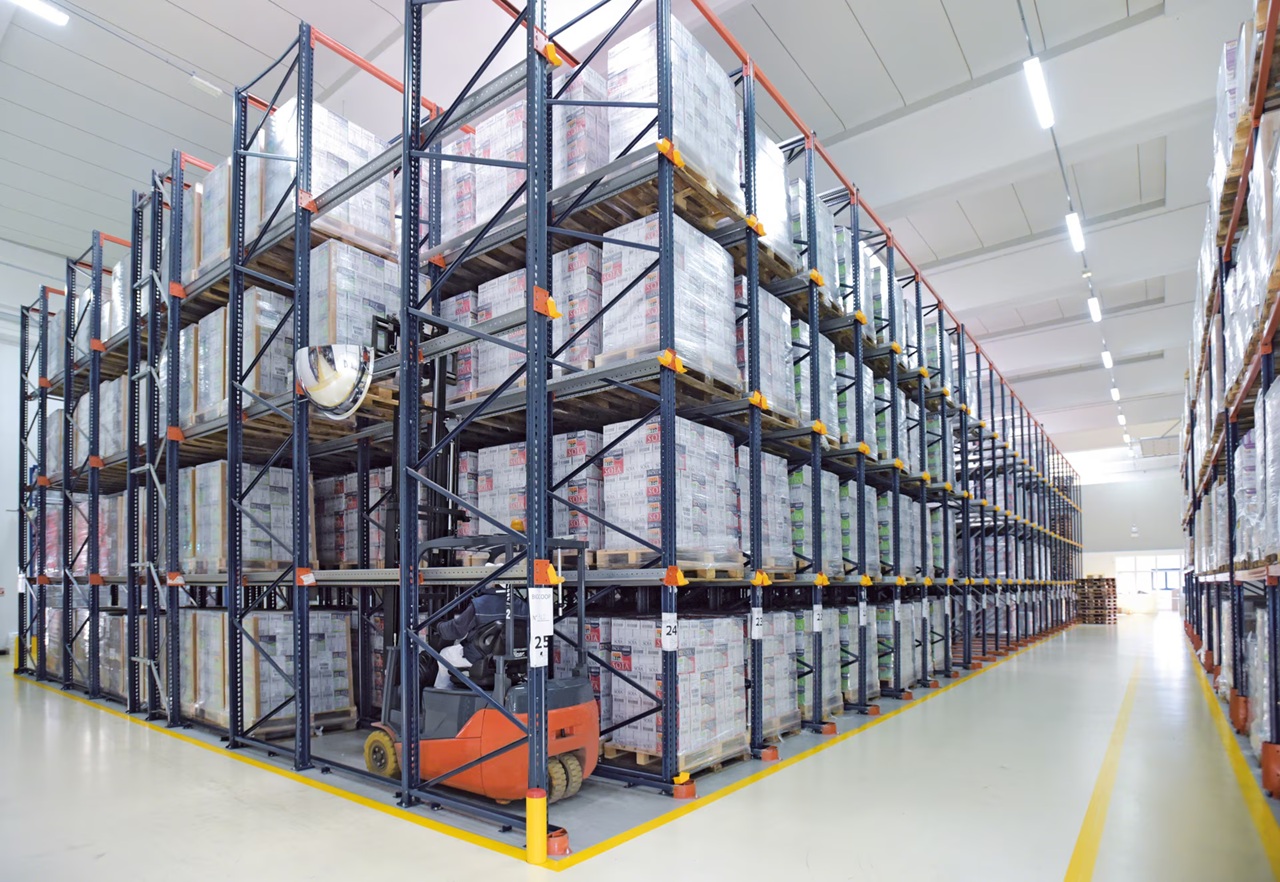
Next, establish the truck's complete operating envelope: chassis, mast, attachments, and the loaded pallet. The forklift moves on the floor within the lane; the rails support stored pallets above that travel surface. Check the clearance required during lifting and withdrawal as well as the initial approach.
Entry guides help direct the chassis into position and must be sized for the truck and approach geometry. They are not pallet supports, and they do not remove the need for accurate alignment. Treat guide selection, rail bearing, and truck clearance as connected but separate design decisions.
Planning around Riverton receiving patterns
The 13400 South corridor and Bangerter Highway provide useful reference points when discussing Riverton warehouse access and incoming loads. For building-products distribution or light manufacturing, connect delivery quantities to reserve assignments and production withdrawals. Warehouse Equipment & Supplies Co., the parent company of this division, has supplied and installed warehouse equipment since 1997; each proposed layout starts with the loads and equipment actually involved.
Drive-in rack density tests for wholesale reserves
SKU concentration
Identify the few products that account for many stored pallets. Broad catalogs with only one or two pallets per item may need a different reserve strategy.
Actual depth
Use pallet balances through receiving and drawdown cycles to test lane depth. Avoid dedicating long lanes to products that fill them only during an unusual purchase.
Rotation acceptance
Confirm whether single-entrance LIFO handling matches product requirements. Separate lanes may be needed for different lots even when the SKU and packaging look identical.
Alternative access
Compare pushback when mixed reserves need more independently accessed lanes. The truck stays outside that structure, although the order of pallets within each lane remains LIFO.
Drive-thru racking and temperature-controlled choices
Where first-in, first-out movement matters, opposite loading and unloading ends can provide the required direction through a lane. The operating procedure must preserve that order. Include access space on both sides of the block instead of comparing only the steel footprint with a single-entrance arrangement.
Cooler and freezer reserves may justify closer attention to aisle reduction because storage volume is valuable. Still, the inventory must support deep lanes. Review temperature-suitable trucks, pallet condition, packaging, and visibility before selecting lane dimensions or assuming that a cold-room load handles like its ambient equivalent.
A combined layout can reserve deep storage for steady bulk products while keeping short runs and irregular loads directly accessible. Compare occupied positions, truck travel, and replenishment steps across the alternatives. More theoretical positions do not necessarily produce more usable reserve space when SKU quantities and access needs vary.
Recent Installations
Racking projects completed for warehouses across the Salt Lake City metro and Wasatch Front.


Make the pallet and truck part of your Riverton drive-in rack quote
Provide photographs showing pallet undersides, loaded dimensions, typical weights, and the truck model alongside your inventory figures. Those details support a meaningful comparison of lane depths and access patterns. We arrange experienced installation crews and manage their schedule, coordinating material staging and the work sequence with the receiving activity described during planning. (801) 942-0493.
Salt Lake Pallet Rack
3556 S 5600 W
Suite #1-1293
Salt Lake City, UT 84120
(801) 942-0493Monday - Friday: 8:00 AM - 6:00 PM
Riverton deep-lane questions
Other Storage Services in Riverton
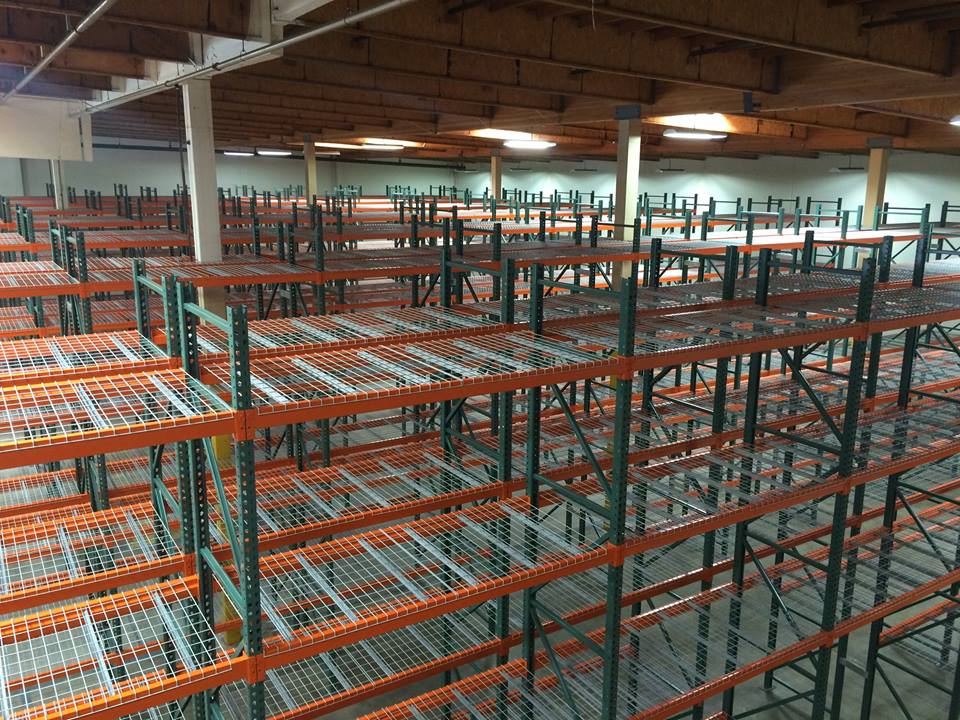
Pallet Rack
Every pallet reachable, every time. The baseline we size everything else against.
View details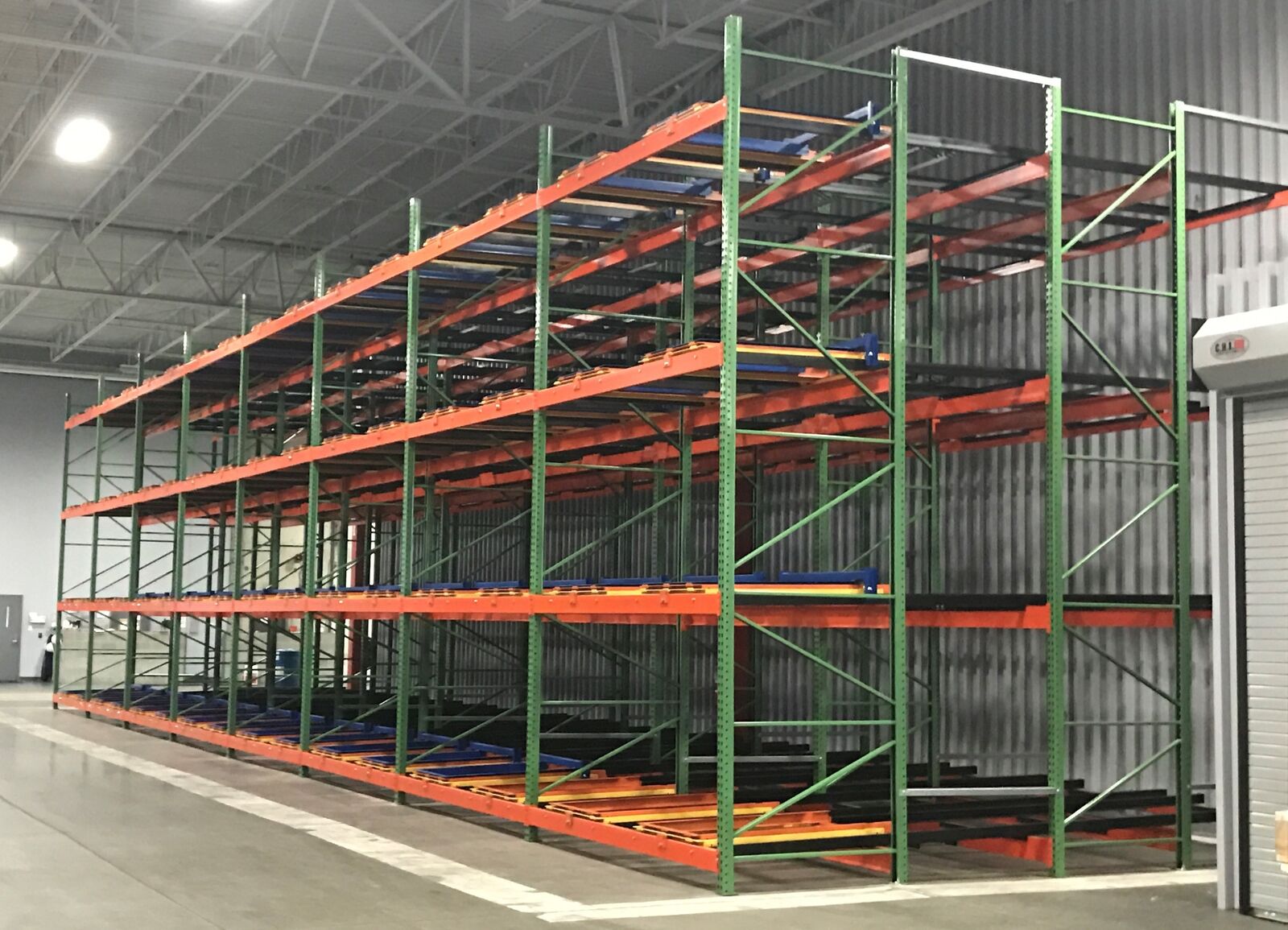
Pushback Rack
Two to six pallets deep from one aisle, without giving up much reach.
View details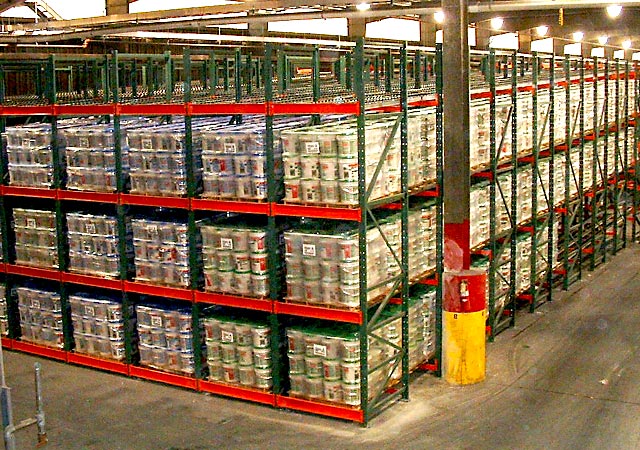
Pallet Flow Rack
Load one side, pick the other, and let gravity enforce first in, first out.
View details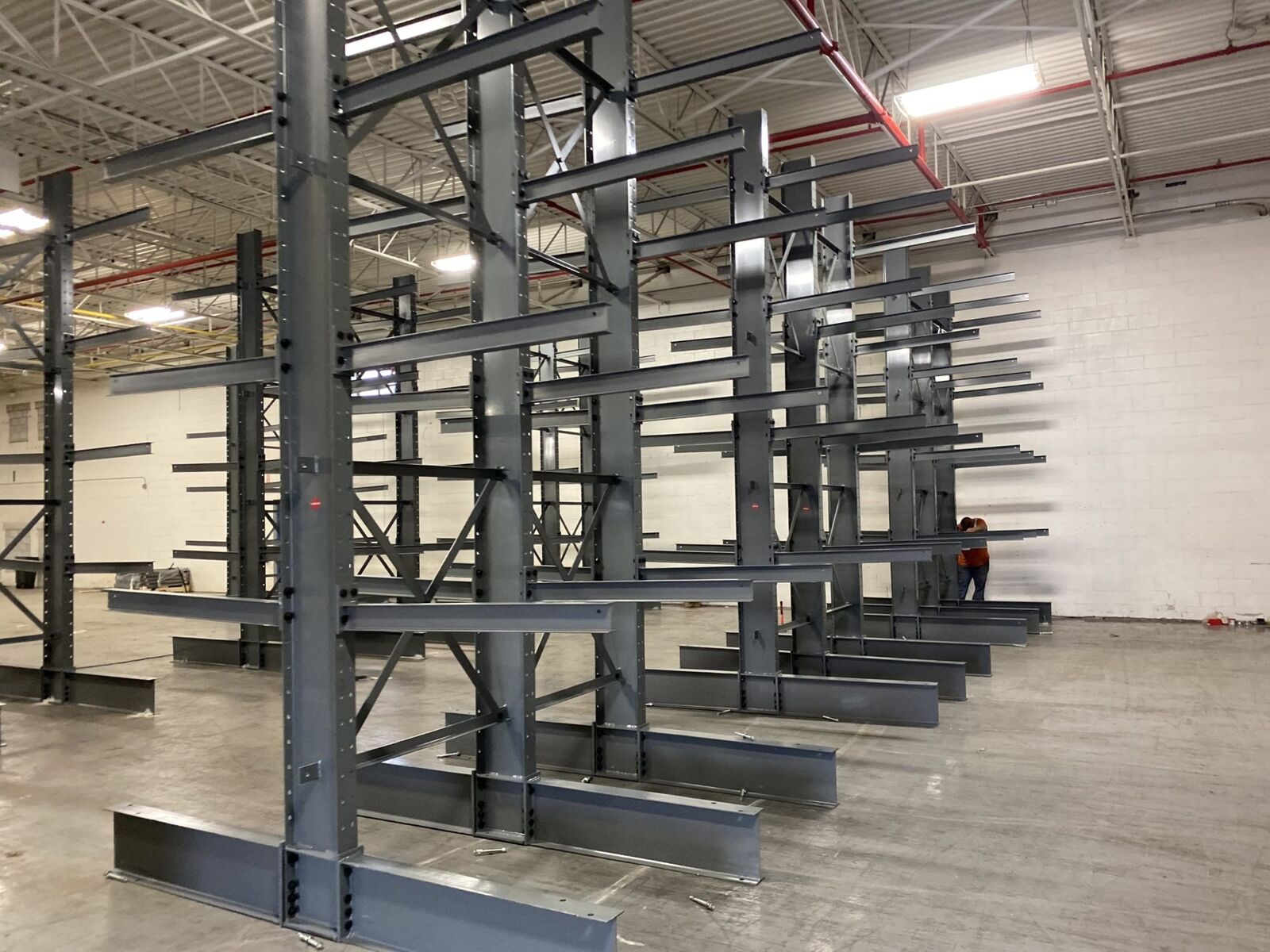
Cantilever Rack
Arms with nothing in front of them, built for lumber, pipe, and anything a pallet can't hold.
View details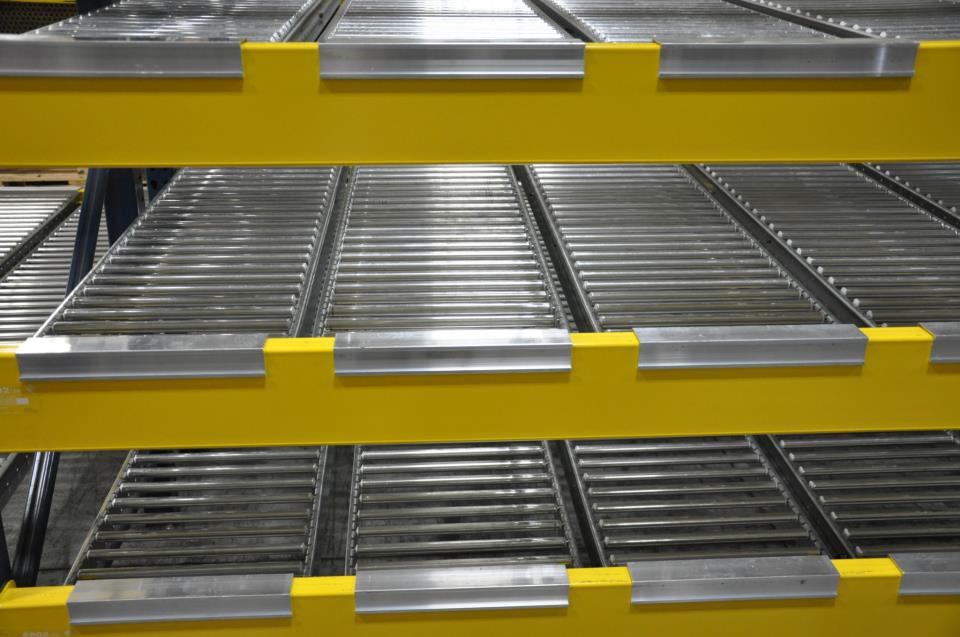
Carton Flow Rack
Cases advance to the picker instead of the picker hunting for cases.
View detailsWarehouse Relocation
Teardown, label, coordinate transport and reinstall rack around a reviewed layout for the next building.
View detailsNearby Areas We Also Serve
Our delivery and installation territory covers the Salt Lake City metro and Wasatch Front, so one team can handle multiple buildings for the same company.
Where We Work
Located in Salt Lake City, we serve the entire Salt Lake metro and Wasatch Front with industrial pallet racks and warehouse storage solutions.
Salt Lake Pallet Rack
Address
3556 S 5600 W
Suite #1-1293
Salt Lake City, UT 84120
Phone
(801) 942-0493Business Hours
Monday - Friday: 8:00 AM - 6:00 PM
Saturday: Closed
Sunday: Closed
Need Drive-In Rack in Riverton?
Call (801) 942-0493 or request a quote and we will get a layout started.