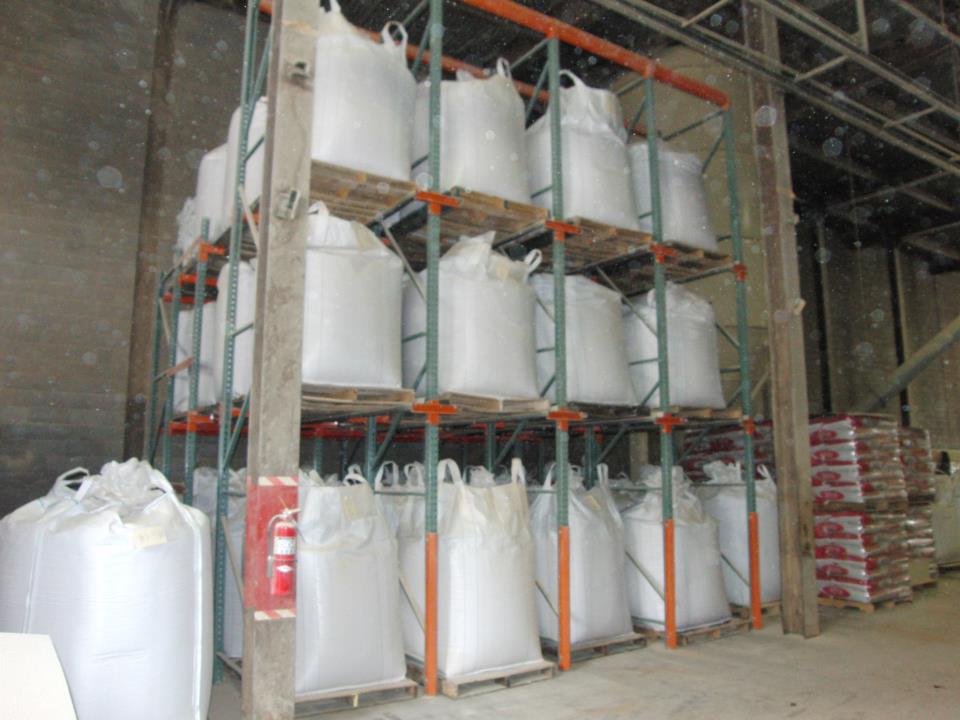
Drive-In Rack in Orem, UT
Drive-in rack in Orem addresses reserve storage differently from component picking: the objective is to hold repeated full-pallet loads without dedicating an access aisle to every position. Deep lanes can serve that purpose when a small SKU group accounts for a substantial share of stored pallets.
Electronics and medical-device operations should distinguish common production inputs from items requiring frequent lot selection. A lane full of identical cartons may still contain inventory that cannot be treated interchangeably. Establish retrieval rules alongside pallet quantities before choosing a storage pattern or assigning products to deep positions.
Drive-in rack geometry follows the handling equipment
During placement, the lift truck drives on the floor into the lane; stored pallets remain supported by rails. The truck never uses those pallet rails as a travel surface. This distinction shapes the opening width, support elevations, and space required for the loaded truck to enter and withdraw.
Measure the mast, chassis, attachments, and loaded envelope together. Packaging overhang or a wide load backrest can determine clearance even when the truck body appears narrow enough. Review the full movement at each storage elevation, not simply the approach with forks lowered and no pallet aboard.
Pallet rail bearing depends on the real pallet underside, dimensions, condition, and load. Entry-guide sizing addresses a different task: helping the truck align with the lane. Establish appropriate guidance around the chassis without assuming that guides correct a poor approach or compensate for inadequate operating clearance.
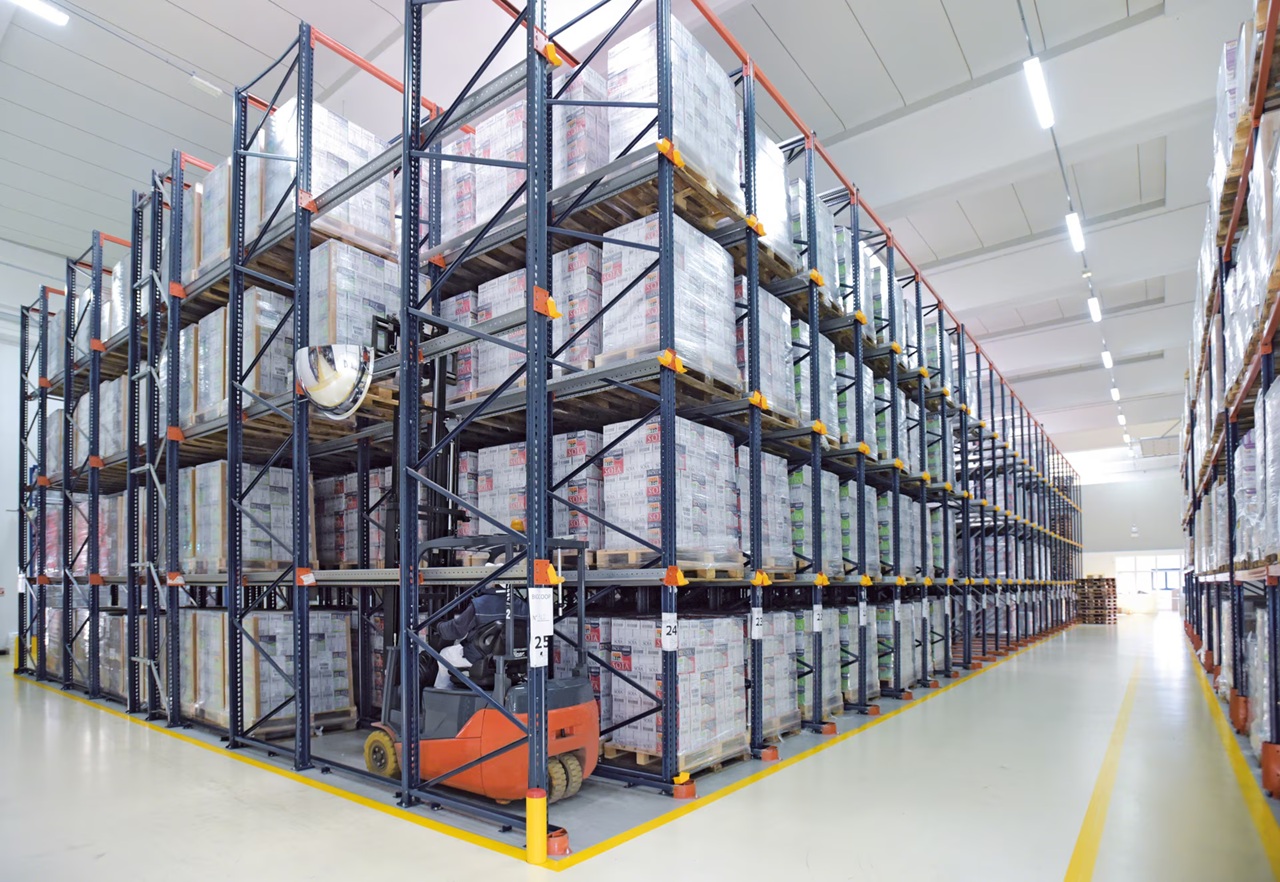
Connecting Orem production stock with replenishment
Around Orem Tech Park and the Geneva Road corridor, component distribution and light assembly can place different demands on the same reserve area. Map where full pallets wait, where cartons are picked, and where production replenishment begins. This operation is a division of Warehouse Equipment & Supplies Co., whose supplying and installing work began in 1997; practical equipment discussions still begin with your inventory records.
Drive-in pallet rack inventory tests
Repeated pallet quantities
Group actual on-hand quantities by SKU across replenishment cycles. Look for products that regularly fill a lane rather than relying on the largest shipment received.
Lot separation
Determine which batches must remain independently accessible. Required separation can create additional lane assignments even when the product number stays the same.
Replenishment rhythm
Compare incoming batch sizes with withdrawals to assembly or distribution. A storage lane should match the inventory left between those movements, not just receipt-day totals.
Temperature requirements
Identify cooler or freezer reserves separately. Review truck suitability, pallet condition, and packaging at operating temperature before treating cold-room volume as available storage capacity.
Drive-thru racking and alternatives for rotation
A single entrance creates LIFO handling because the last accessible load placed in the lane is normally the first removed. That can suit stable components with compatible batches. It is a weaker match when picking instructions demand an older pallet that sits behind newer receipts.
A two-ended configuration separates loading from unloading to support FIFO operation. Keep the lane assignment and handling procedure consistent with that objective. The layout also needs access at both ends, so evaluate occupied storage positions together with the space and travel required for replenishment and retrieval.
Pushback deserves comparison when reserves become more varied. It keeps trucks at the aisle while providing multiple independently accessed lanes, although pallet order within each lane remains LIFO. A combination of selective positions for exceptions and deeper reserves for common stock may fit changing component demand better than one system throughout.
Recent Installations
Racking projects completed for warehouses across the Salt Lake City metro and Wasatch Front.


Request an Orem drive-in rack lane comparison
Send an inventory export with pallet counts, lot restrictions, and expected withdrawals, plus the truck model and pallet photographs. We will use those inputs to discuss depth, support, and access tradeoffs. Our team schedules and manages experienced installation crews and coordinates the planned work sequence with the warehouse activities you identify. (801) 942-0493.
Salt Lake Pallet Rack
3556 S 5600 W
Suite #1-1293
Salt Lake City, UT 84120
(801) 942-0493Monday - Friday: 8:00 AM - 6:00 PM
Orem deep-lane questions
Other Storage Services in Orem
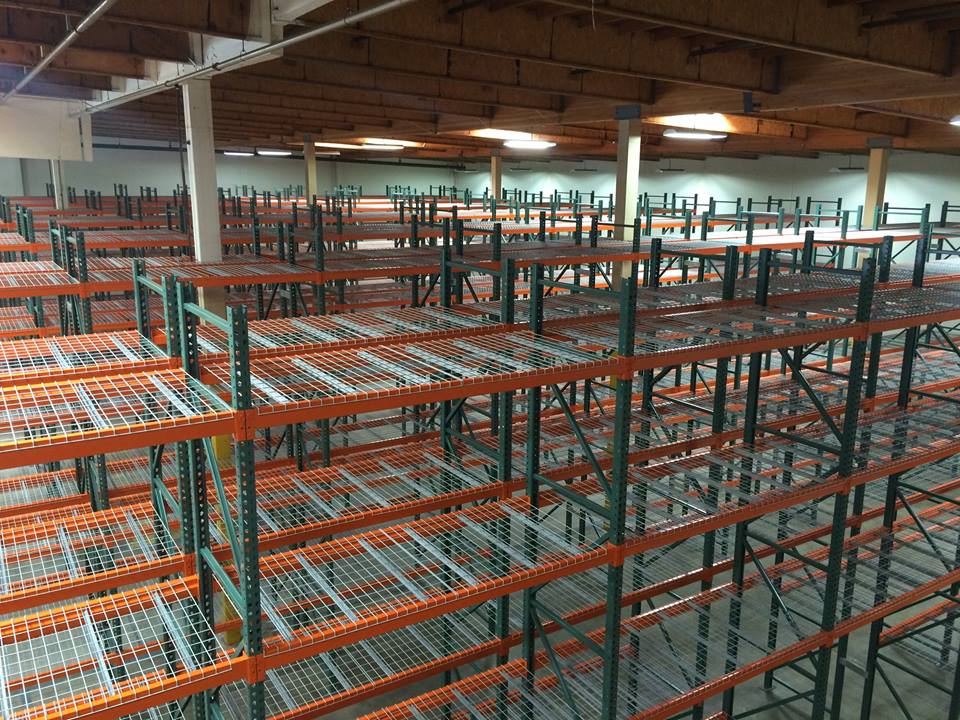
Pallet Rack
Every pallet reachable, every time. The baseline we size everything else against.
View details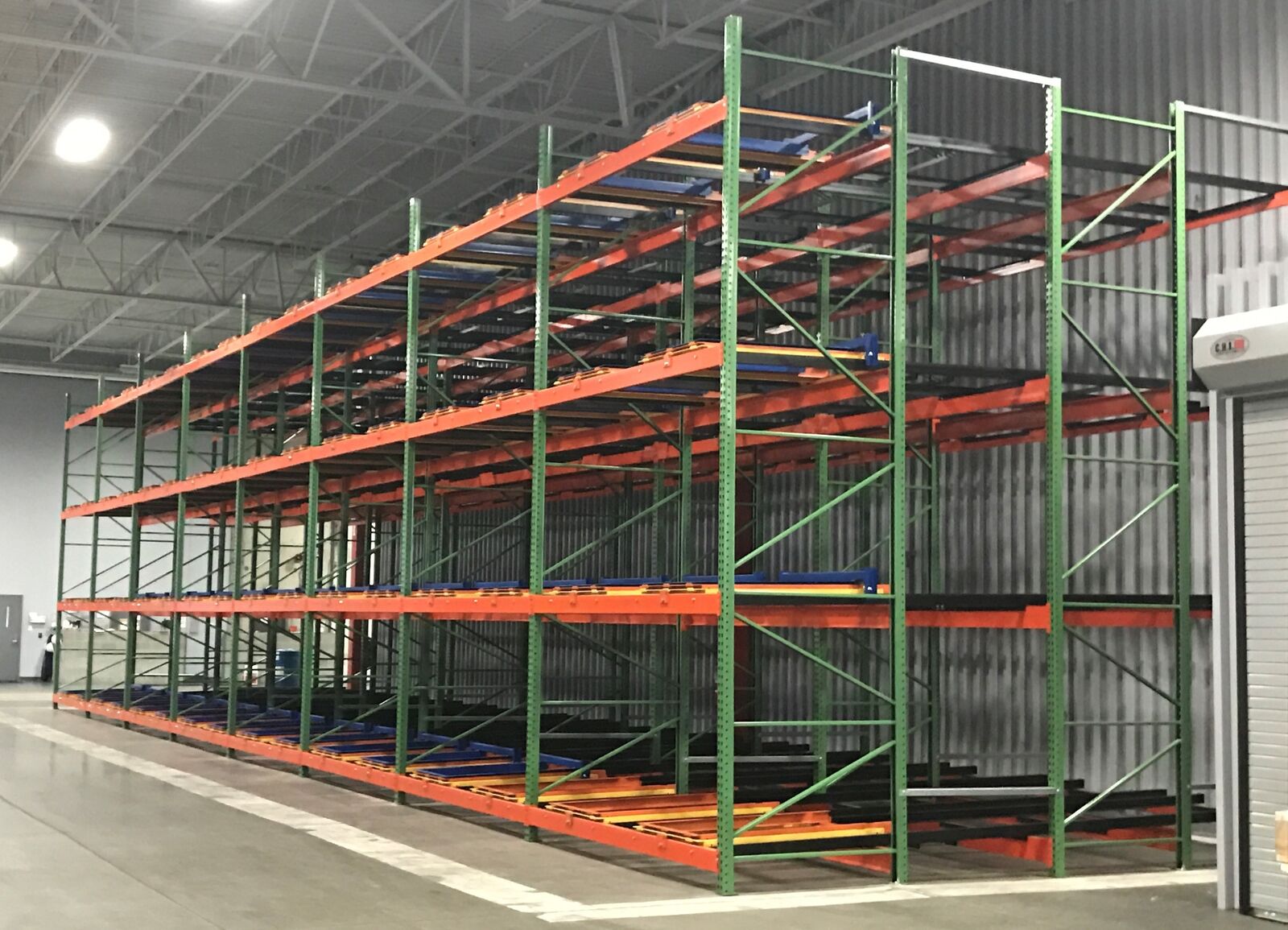
Pushback Rack
Two to six pallets deep from one aisle, without giving up much reach.
View details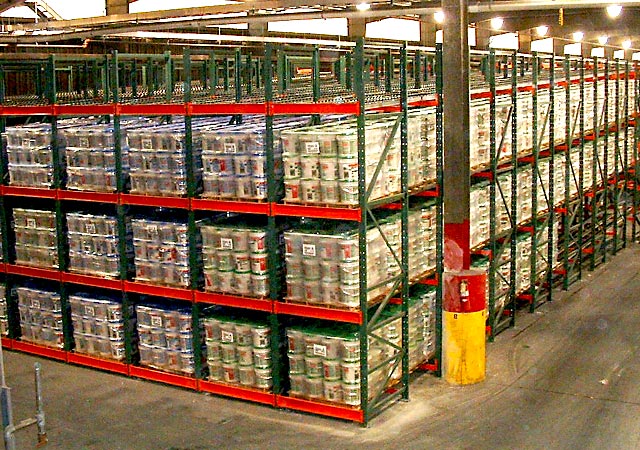
Pallet Flow Rack
Load one side, pick the other, and let gravity enforce first in, first out.
View details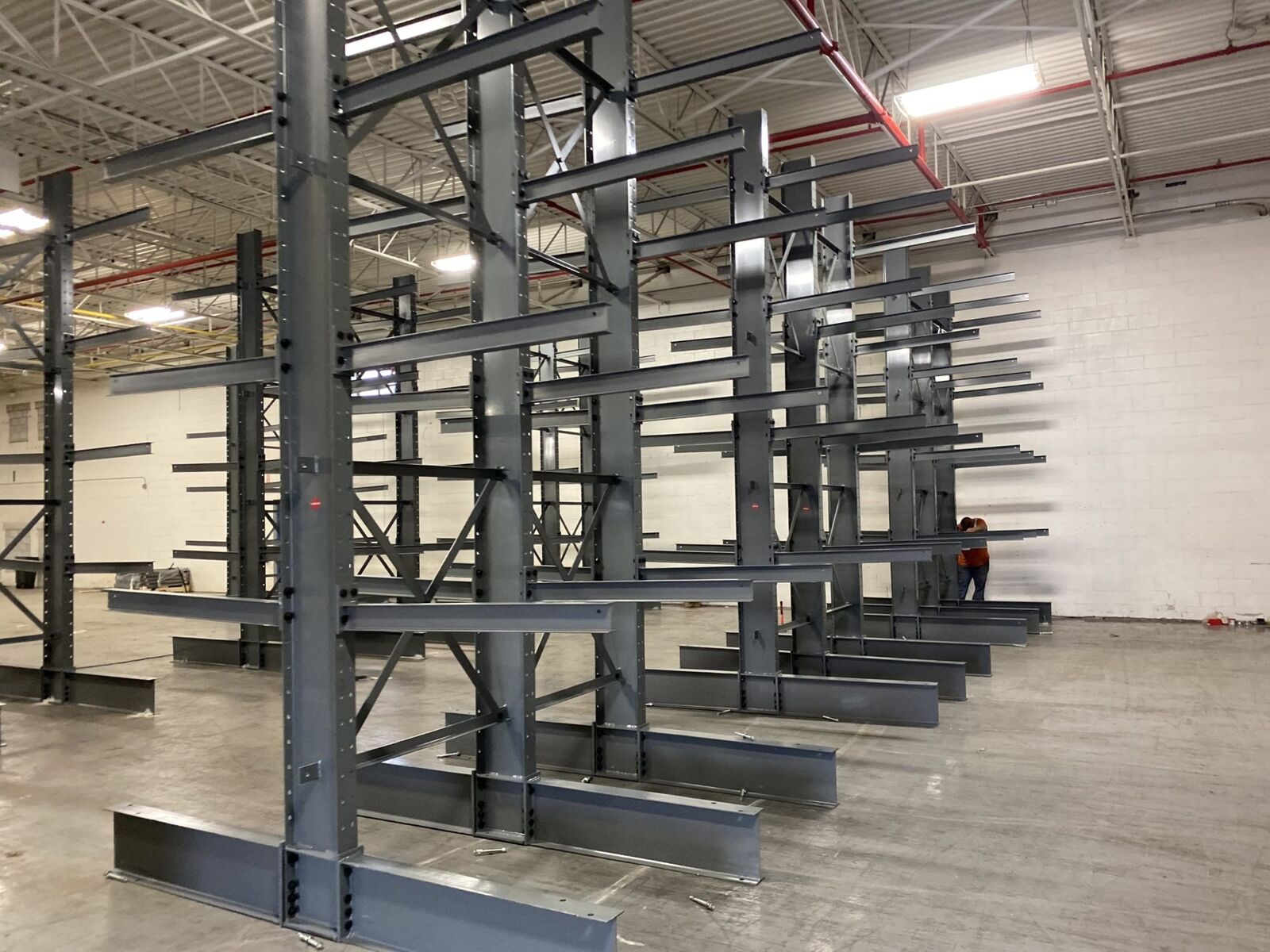
Cantilever Rack
Arms with nothing in front of them, built for lumber, pipe, and anything a pallet can't hold.
View details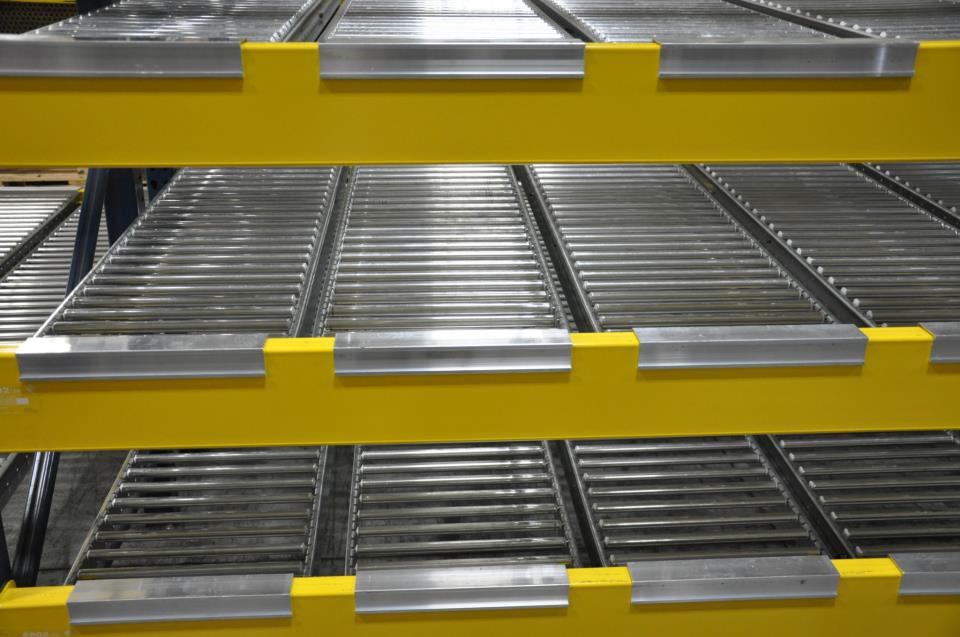
Carton Flow Rack
Cases advance to the picker instead of the picker hunting for cases.
View detailsWarehouse Relocation
Teardown, label, coordinate transport and reinstall rack around a reviewed layout for the next building.
View detailsNearby Areas We Also Serve
Our delivery and installation territory covers the Salt Lake City metro and Wasatch Front, so one team can handle multiple buildings for the same company.
Where We Work
Located in Salt Lake City, we serve the entire Salt Lake metro and Wasatch Front with industrial pallet racks and warehouse storage solutions.
Salt Lake Pallet Rack
Address
3556 S 5600 W
Suite #1-1293
Salt Lake City, UT 84120
Phone
(801) 942-0493Business Hours
Monday - Friday: 8:00 AM - 6:00 PM
Saturday: Closed
Sunday: Closed
Need Drive-In Rack in Orem?
Call (801) 942-0493 or request a quote and we will get a layout started.