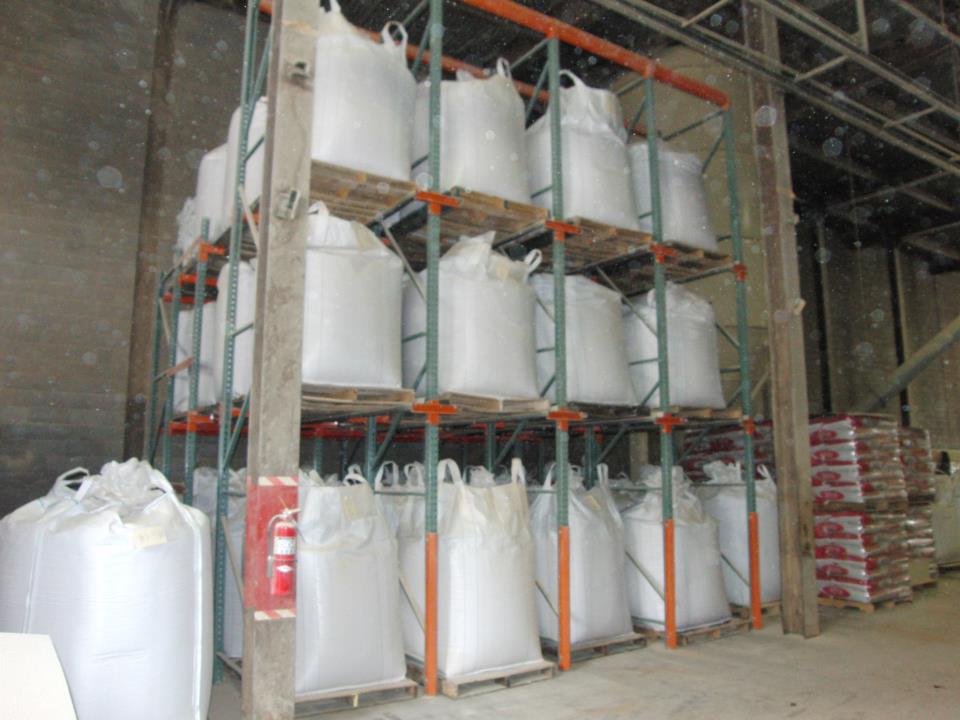
Drive-In Rack in Provo, UT
Drive-in rack in Provo deserves a different layout from the area where teams select orders or feed assembly. If many pallets belong to relatively few SKUs, deep reserve lanes can replace some access aisles with storage positions while leaving faster-moving pick work in another zone.
The gain depends on how inventory occupies those lanes. Consumer brands and regional distributors may receive large batches, then draw them down unevenly. Planning from a single busy receiving day can overstate useful capacity, so review both full stock periods and the smaller balances remaining before replenishment.
Drive-thru racking for planned stock rotation
Begin with the required withdrawal sequence. A single-entrance arrangement operates LIFO: pallets nearest the opening must come out before loads stored behind them. That can work for interchangeable reserve batches, but it does not offer unrestricted choice among dates, lots, or individual pallets within the lane.
Opposite loading and unloading ends allow FIFO movement when the lane is assigned and operated for that sequence. Receiving and retrieval then approach different faces of the storage block. Include the working space at both ends when comparing capacity with a single-ended layout or another storage method.
Neither configuration resolves a mismatch between lane depth and actual SKU volumes. Separate products that require independent retrieval, then calculate how many pallets each assigned lane can realistically hold across the inventory cycle. Where the balances are shallow or unpredictable, shorter lanes or another system may preserve more usable positions.
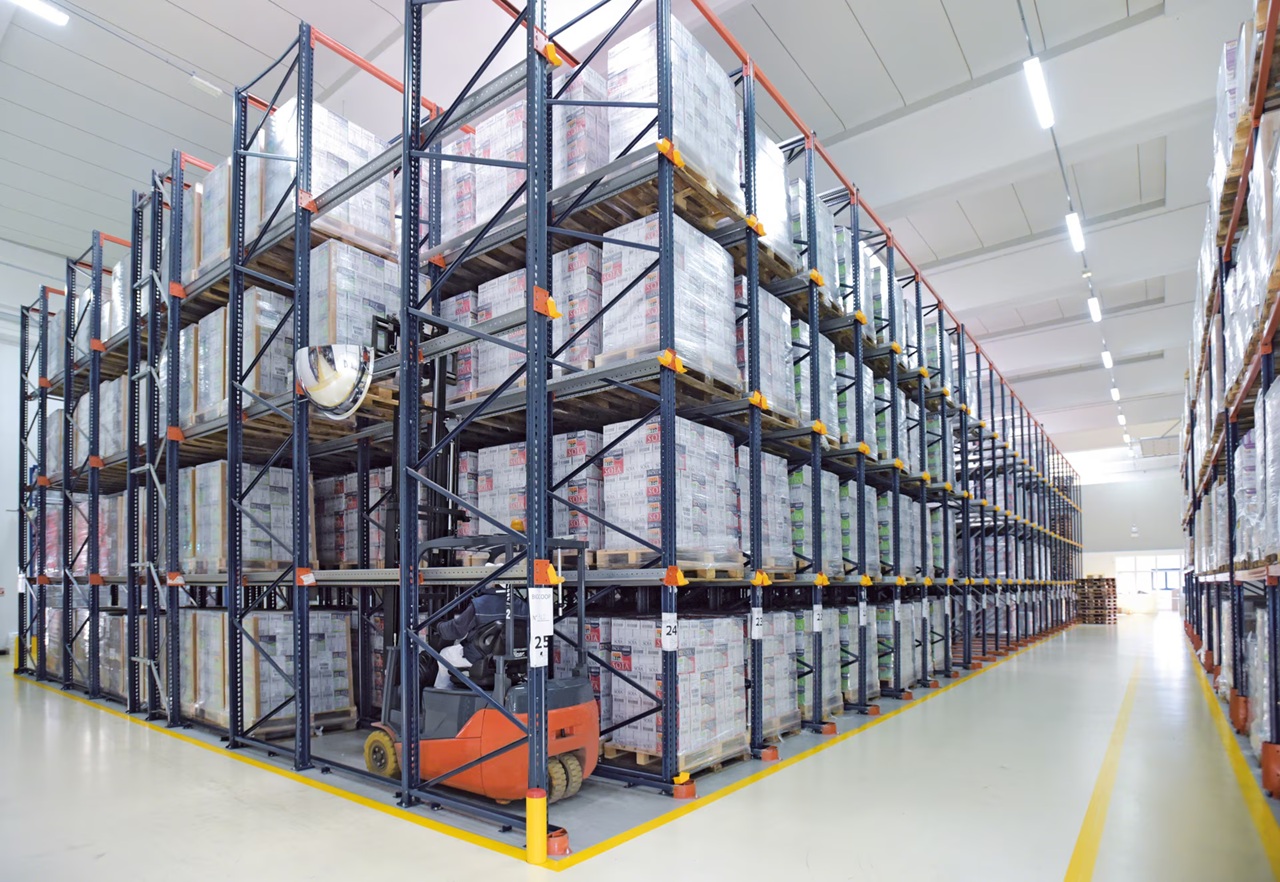
Provo reserve storage connected to daily work
In East Bay and Provo Industrial Park, light assembly and consumer-product distribution can combine receiving, reserve storage, and order preparation within one building. The layout should show where those activities hand off rather than treating the warehouse as one undifferentiated rectangle. Our division belongs to Warehouse Equipment & Supplies Co.; its supplying and installing work dates to 1997.
Drive-in rack occupancy and handling checks
Reserve versus picking
Identify loads intended for full-pallet replenishment. Keep carton selection and frequent product changes out of the deep reserve calculation unless the handling process specifically accommodates them.
Batch compatibility
Check whether identical product numbers can share retrieval order. Customer allocations, packaging revisions, or lot restrictions may require more lane separation than SKU totals suggest.
Lane utilization
Compare proposed depth against ordinary balances, not only peak stock. Include partly depleted lanes when judging how many positions will remain available for incoming inventory.
Mixed-stock comparison
Model pushback for reserves spread across more products. Its aisle-side handling avoids truck entry, while separate lanes can suit smaller product groups; each lane still follows LIFO.
Drive-in pallet rack support and truck access
A forklift enters along the floor between the rack frames and places pallets onto supporting rails. Measure the mast, chassis, attachments, and loaded envelope before setting lane width or rail elevations. Include packaging overhang and the space needed to position the load, not only the truck's published body width.
Rail bearing must match the pallet's underside and supported load. Pallet dimensions, condition, construction, and placement allowances all matter. Entry guides serve the truck instead: their size and opening help establish the approach into the lane without carrying pallets or making careful operator alignment unnecessary.
Cooler and freezer storage can make reduced aisle space especially valuable, but the same inventory tests still apply. Confirm cold-room truck suitability and assess pallets and packaging under actual operating conditions. A temperature-controlled reserve block should be selected for its handling fit, not simply because more positions appear on paper.
Recent Installations
Racking projects completed for warehouses across the Salt Lake City metro and Wasatch Front.


Compare Provo drive-in rack rotation before counting positions
Bring SKU balances, lot rules, pallet specifications, and the lift truck information used by your receiving team. We can outline alternative lane arrangements and identify which assumptions change the position count. Installation is carried out by experienced crews that we schedule and manage, with staging and work phases discussed against your operational priorities. (801) 942-0493.
Salt Lake Pallet Rack
3556 S 5600 W
Suite #1-1293
Salt Lake City, UT 84120
(801) 942-0493Monday - Friday: 8:00 AM - 6:00 PM
Provo deep-lane questions
Other Storage Services in Provo
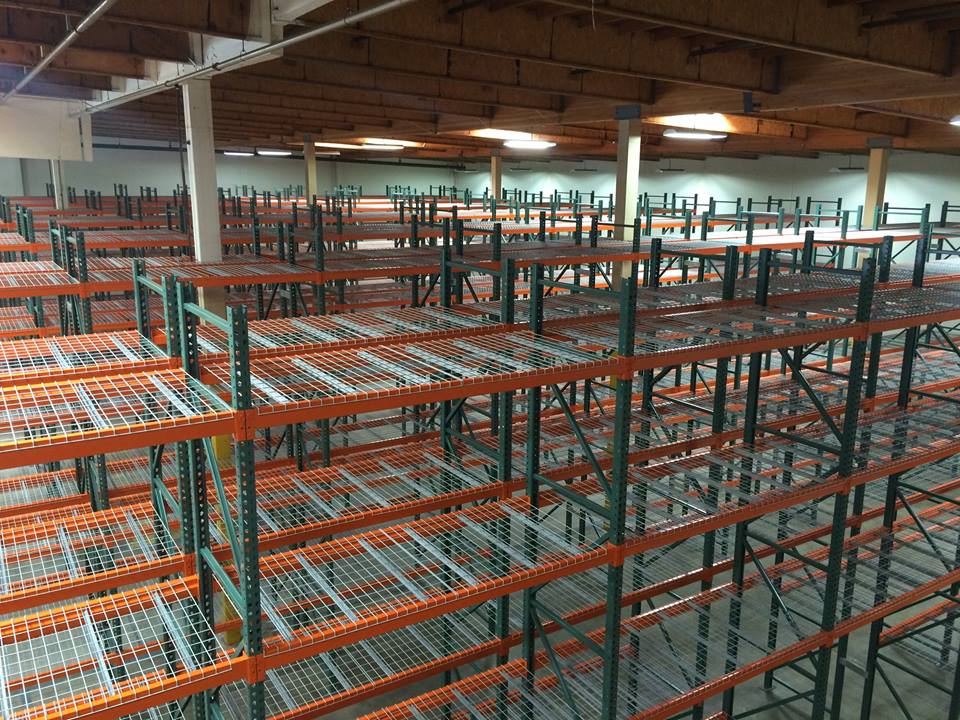
Pallet Rack
Every pallet reachable, every time. The baseline we size everything else against.
View details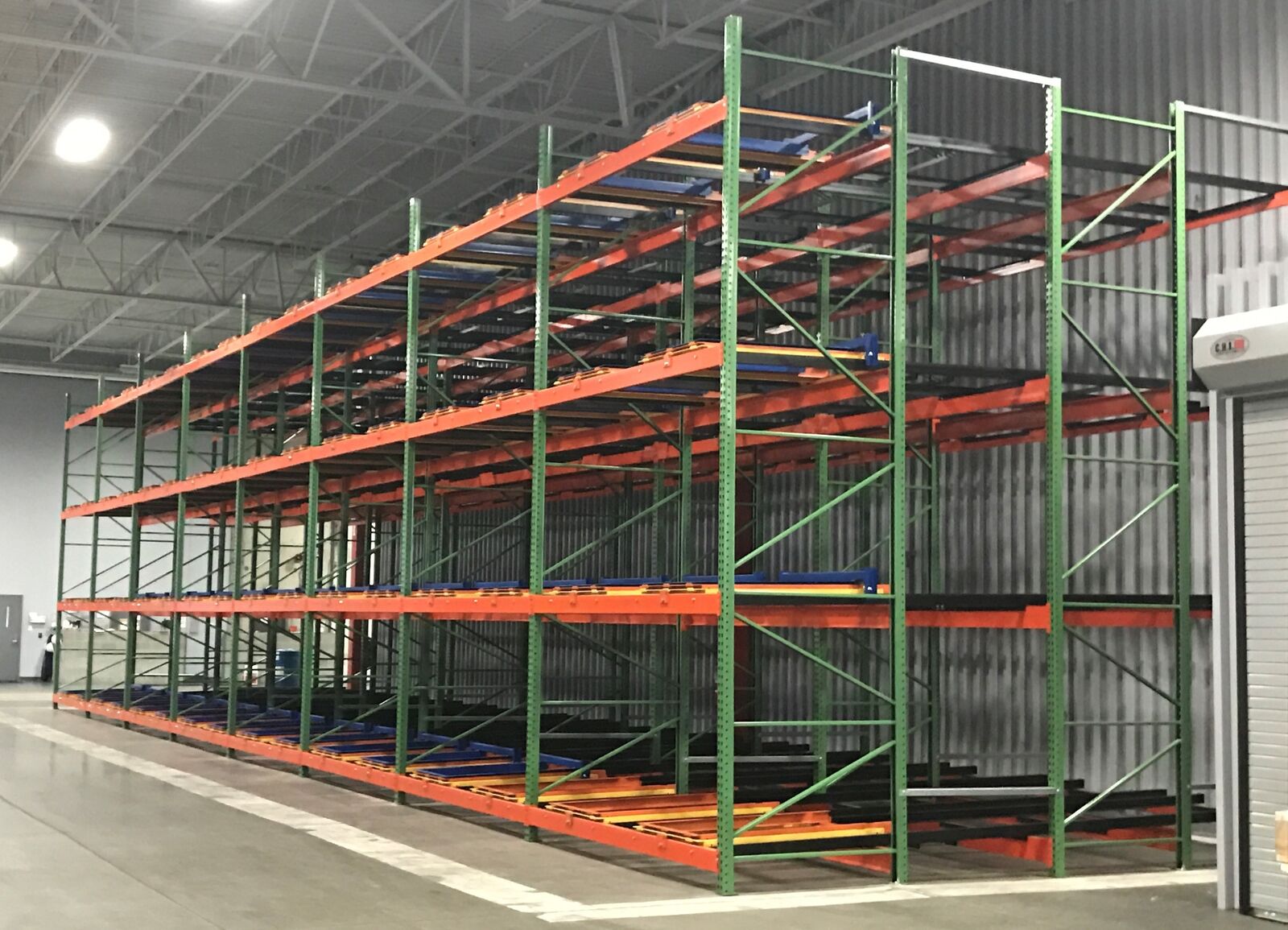
Pushback Rack
Two to six pallets deep from one aisle, without giving up much reach.
View details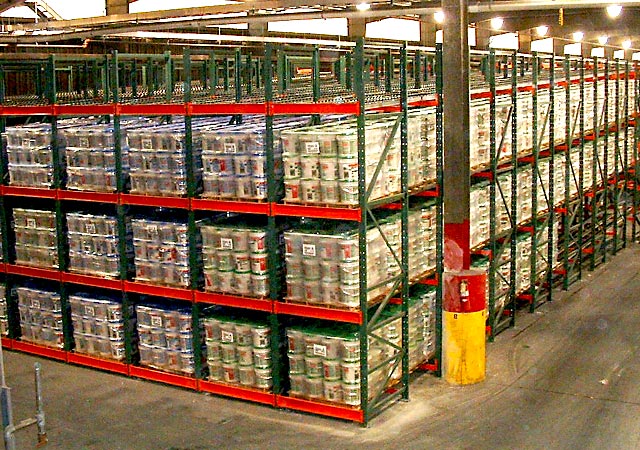
Pallet Flow Rack
Load one side, pick the other, and let gravity enforce first in, first out.
View details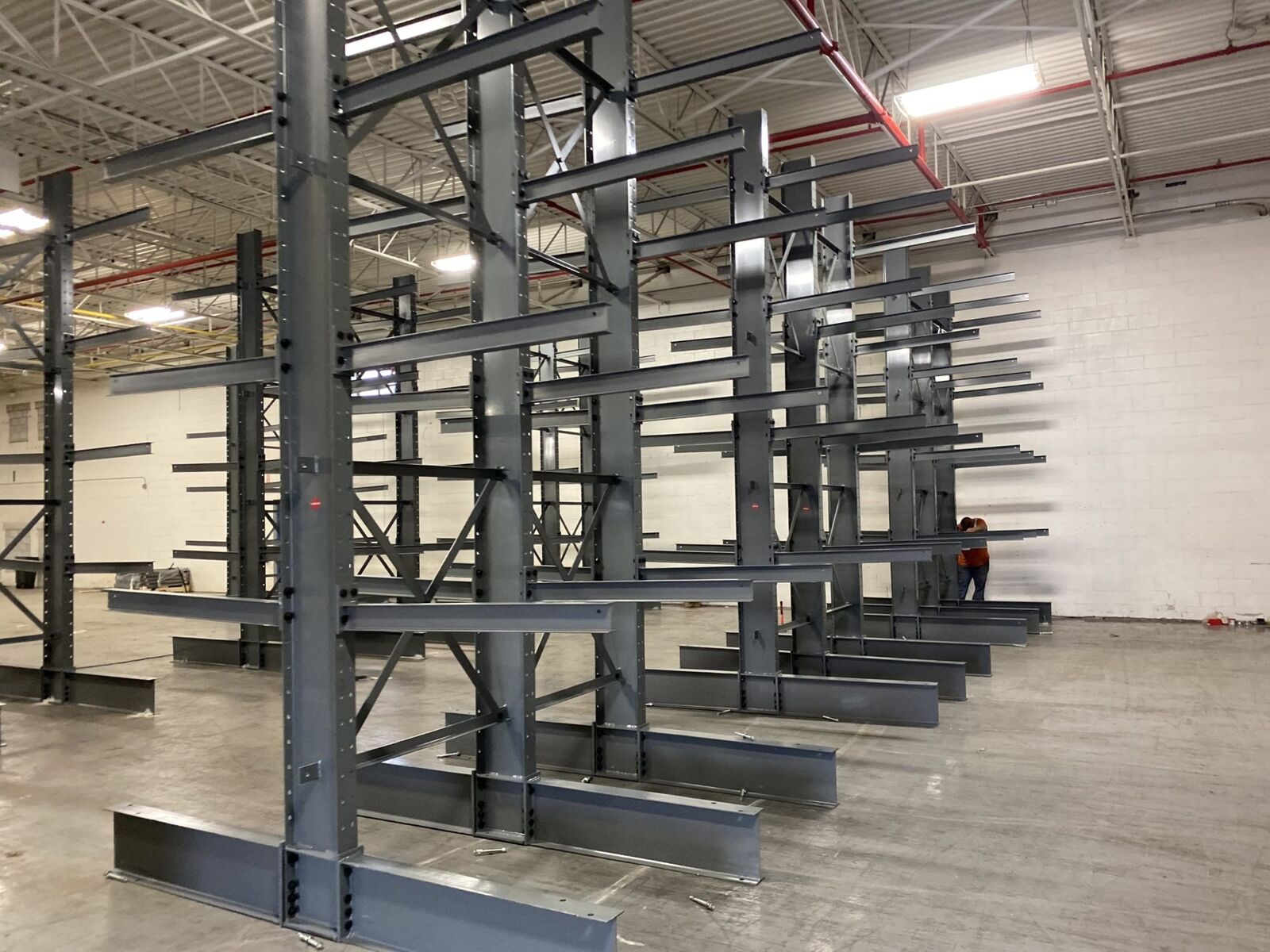
Cantilever Rack
Arms with nothing in front of them, built for lumber, pipe, and anything a pallet can't hold.
View details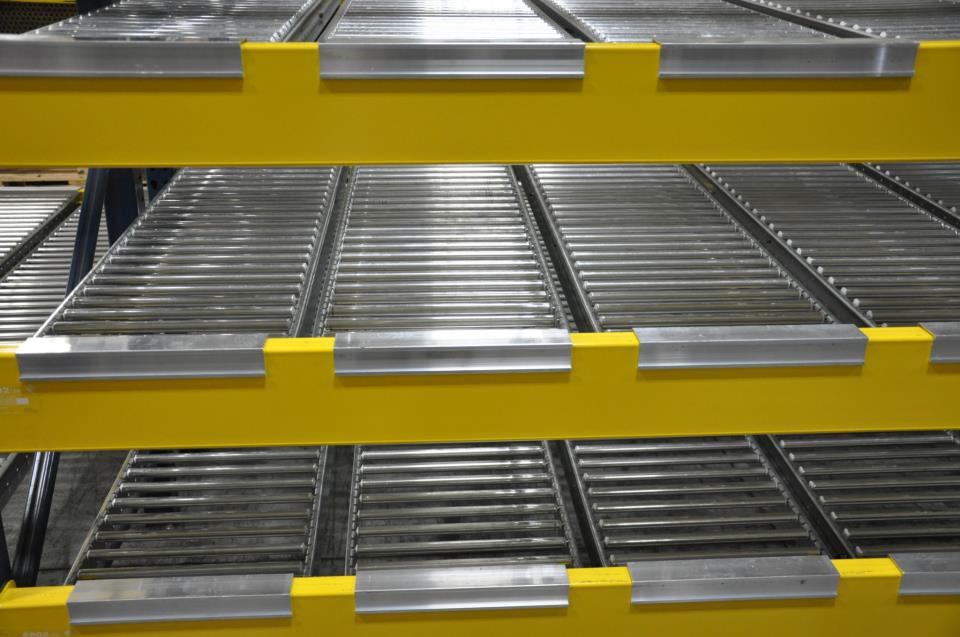
Carton Flow Rack
Cases advance to the picker instead of the picker hunting for cases.
View detailsWarehouse Relocation
Teardown, label, coordinate transport and reinstall rack around a reviewed layout for the next building.
View detailsNearby Areas We Also Serve
Our delivery and installation territory covers the Salt Lake City metro and Wasatch Front, so one team can handle multiple buildings for the same company.
Where We Work
Located in Salt Lake City, we serve the entire Salt Lake metro and Wasatch Front with industrial pallet racks and warehouse storage solutions.
Salt Lake Pallet Rack
Address
3556 S 5600 W
Suite #1-1293
Salt Lake City, UT 84120
Phone
(801) 942-0493Business Hours
Monday - Friday: 8:00 AM - 6:00 PM
Saturday: Closed
Sunday: Closed
Need Drive-In Rack in Provo?
Call (801) 942-0493 or request a quote and we will get a layout started.