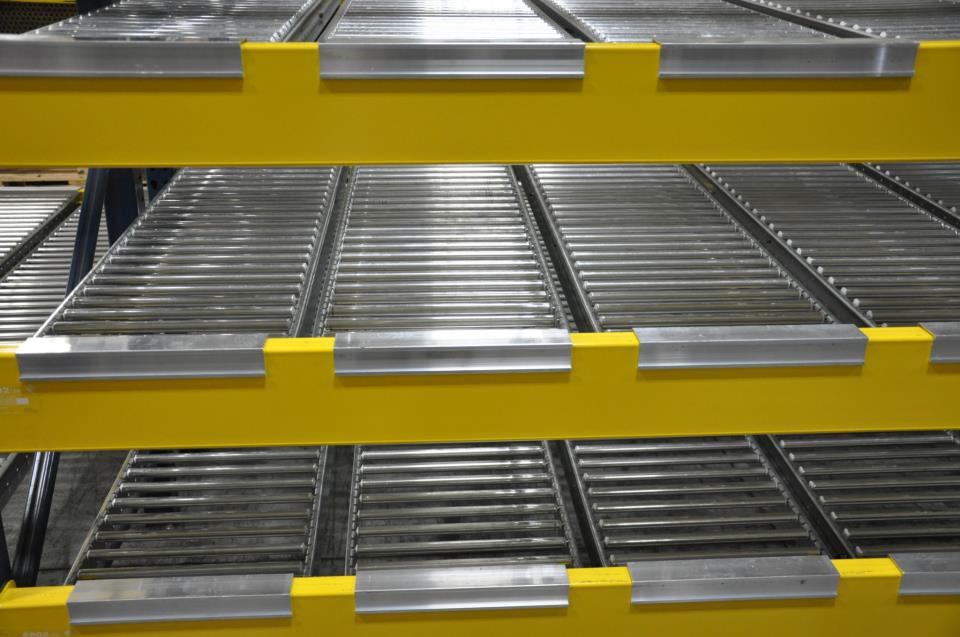
Carton Flow Rack in Lehi, UT
Carton flow rack in Lehi brings cases and totes toward the picking face on inclined roller lanes, giving active inventory a defined path from replenishment to selection. For hardware distribution, consumer brands, and light assembly, the starting question is which products move repeatedly through the same picking positions.
Separate those active products from full-pallet reserves before planning the layout. Record container dimensions, loaded weights, order patterns, and replenishment quantities. A lane should hold a useful working supply without dedicating excessive frontage to slow sellers or forcing staff to refill popular items during every picking round.
Carton flow racking begins with the container
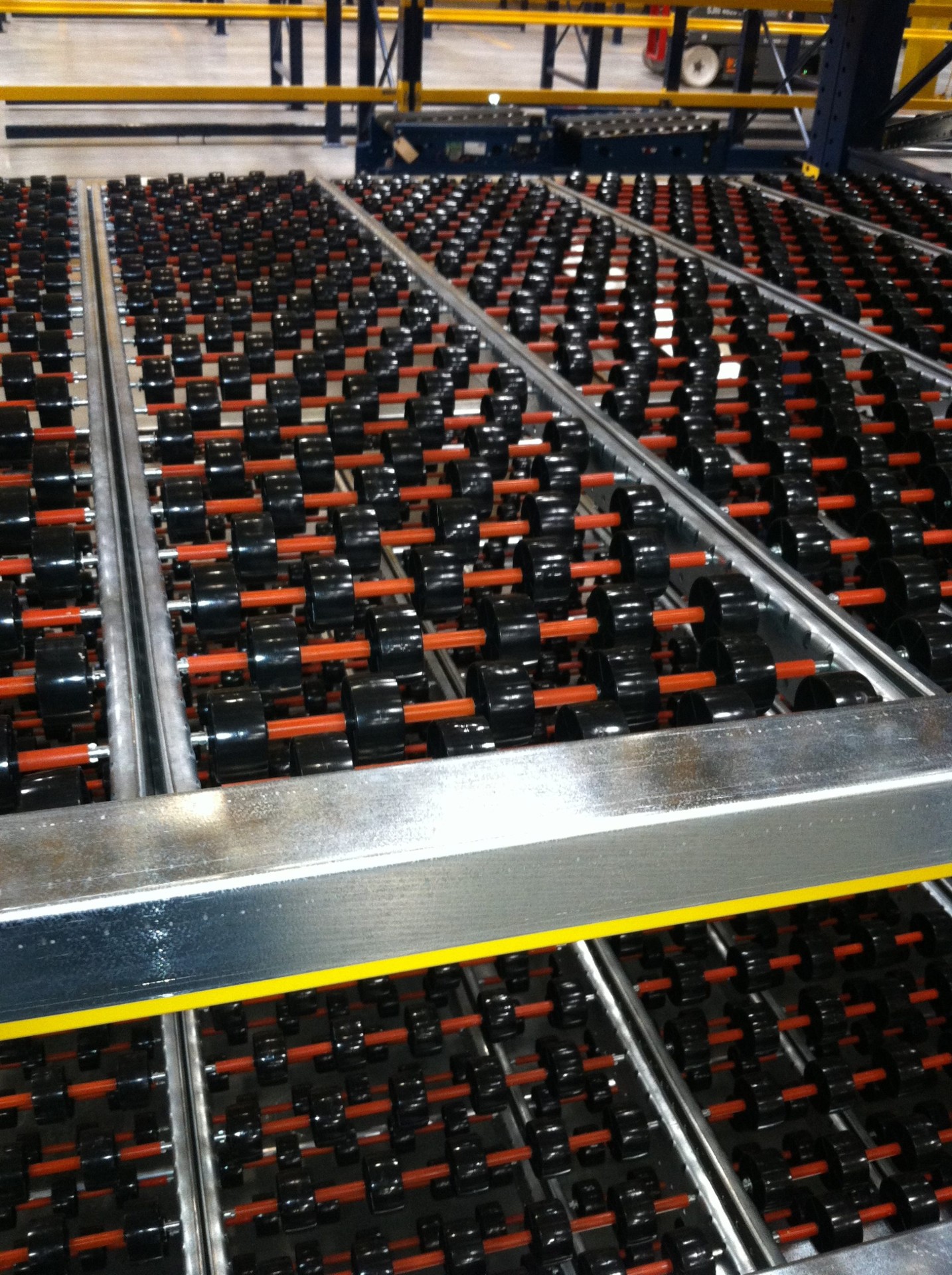
Gravity moves containers along inclined rollers, but packaging determines how consistently they travel. Examine carton bottoms for seams, crushed corners, tape buildup, and sagging panels. For totes, record the underside shape rather than relying on outside dimensions alone. Representative samples reveal behavior that a product catalog cannot establish.
Set lane widths around the actual container and the clearance needed for movement. Dividers keep adjacent products separated and help prevent cartons from turning across lanes. Allow for packaging variation without creating so much lateral room that smaller cases skew before reaching the picking face.
Rear loading and front picking support FIFO when each lane carries the assigned product and replenishment follows the established sequence. That physical arrangement does not replace lot identification. If two batches cannot be mixed, give operators a clear separation method and instructions for exceptions.
Lehi planning from Pioneer Crossing to Thanksgiving Point
For a Utah County operation near Pioneer Crossing or Thanksgiving Point, a first warehouse layout should explain the difference between reserve stock and active picking positions. Hardware accessories and consumer goods may share receiving space but require different lane assignments. As a division of Warehouse Equipment & Supplies Co., we bring its supplying and installing experience since 1997 to those planning conversations.
Carton flow rack checks for a workable pick module
Reach and presentation
Place frequent picks where staff can see labels and reach contents without unnecessary stretching. Compare full-case removal with picking individual units from an open carton.
Replenishment access
Keep the rear loading approach usable for the containers and handling equipment involved. Include space to open packaging, verify product identity, and remove empty material.
Existing rack review
A retrofit requires verification of beam connections, frame condition, support details, and capacity. Similar-looking pallet rack is not evidence that a proposed flow bed will fit.
Working load
Document the heaviest container and the total contents of each lane and level. Evaluate those loads with the proposed supports rather than transferring ratings from another arrangement.
Case flow rack selection follows picking pace
Use order-line history to decide which SKUs deserve multiple lanes and which belong on shelving. A fast mover may need additional frontage, while an occasional accessory may occupy less space elsewhere. Judge picking pace alongside refill effort rather than expecting gravity alone to change output.
Pick modules can combine gravity-fed case positions with nearby packing or assembly work. Map the handoff between those activities, including empty-carton removal. Reserve pallet storage may remain separate so replenishment workers are not breaking down inbound loads directly in the active picking aisle.
Before expanding carton flow racking, trial representative cases and totes through the proposed depth. Observe movement after partial unloading, carton removal, and rear replenishment. Adjust the specification around actual behavior, then document lane assignments so subsequent product changes receive the same review.
Recent Installations
Racking projects completed for warehouses across the Salt Lake City metro and Wasatch Front.


Build the scope around your daily picks
Share your SKU list, container samples, order profile, and photographs of the intended area. For a carton flow rack proposal, include existing rack identification where a retrofit is being considered. We can discuss lane organization, rear access, installation staging, and the information still needed before equipment selection. (801) 942-0493.
Salt Lake Pallet Rack
3556 S 5600 W
Suite #1-1293
Salt Lake City, UT 84120
(801) 942-0493Monday - Friday: 8:00 AM - 6:00 PM
Lehi case-picking questions
Other Storage Services in Lehi
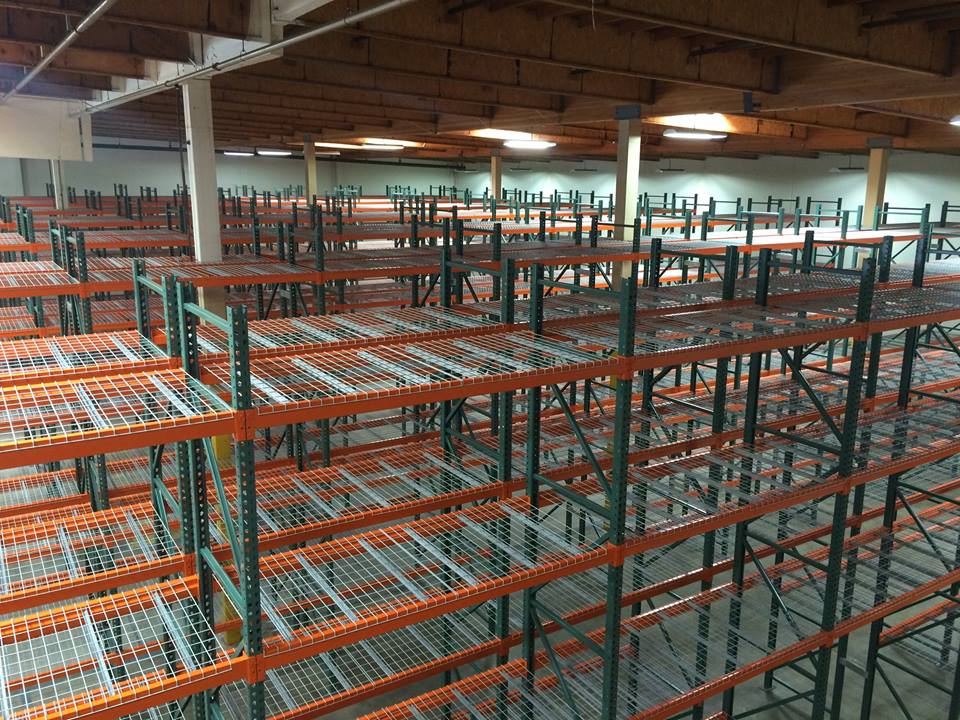
Pallet Rack
Every pallet reachable, every time. The baseline we size everything else against.
View details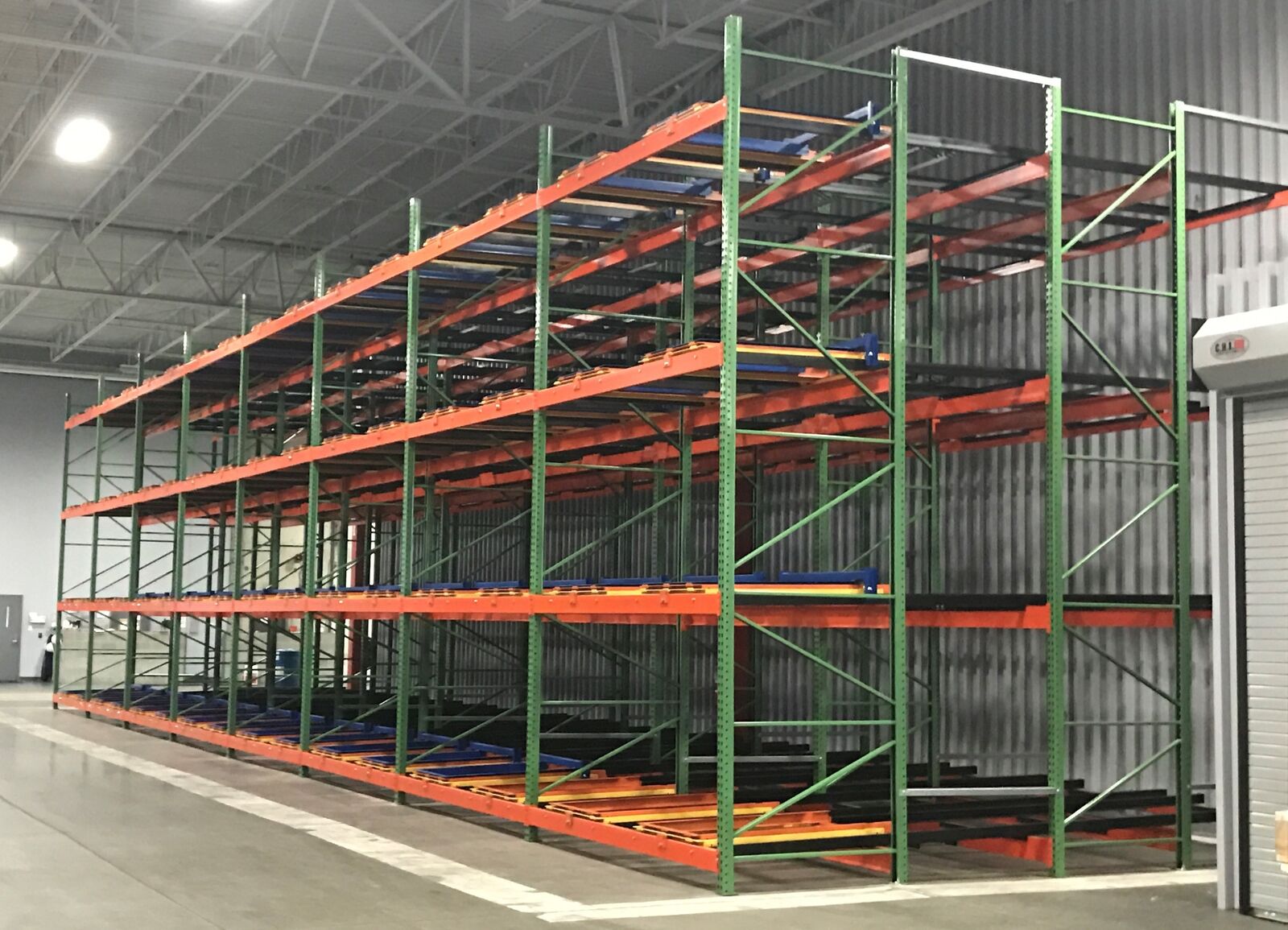
Pushback Rack
Two to six pallets deep from one aisle, without giving up much reach.
View details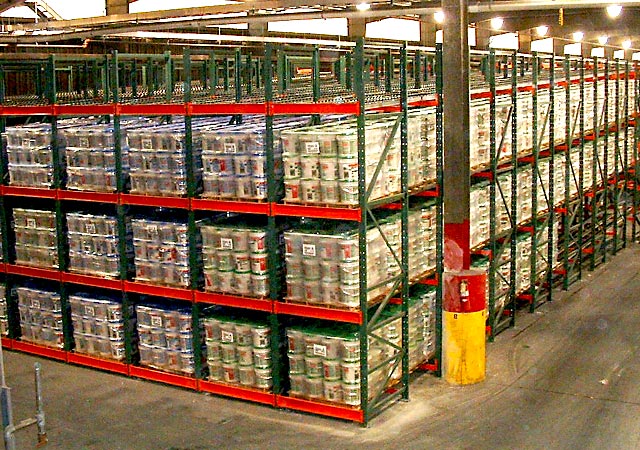
Pallet Flow Rack
Load one side, pick the other, and let gravity enforce first in, first out.
View details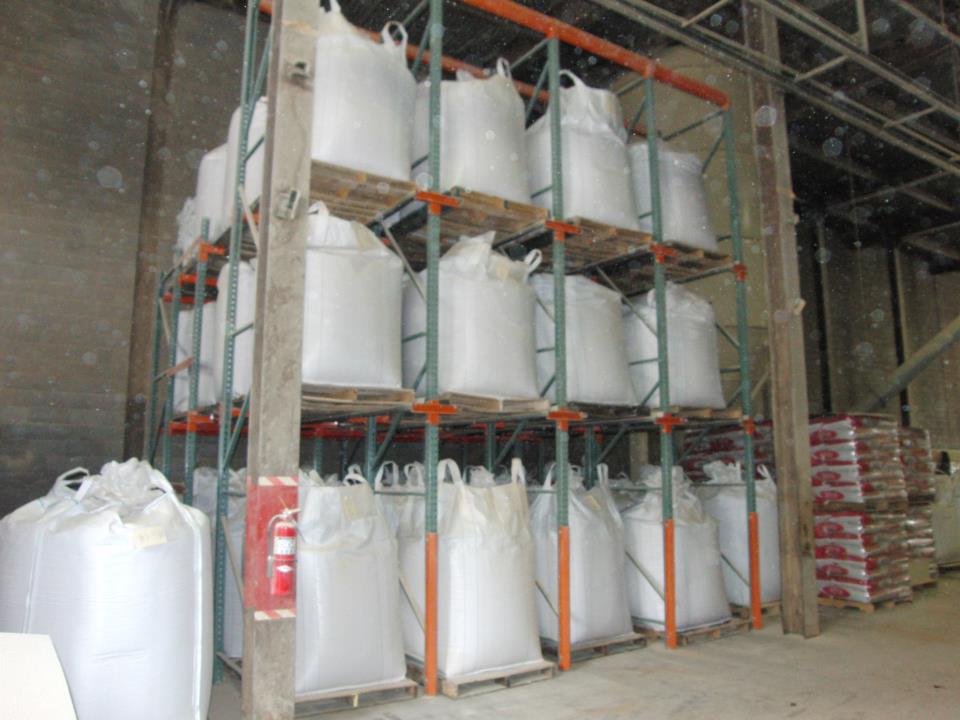
Drive-In Rack
Forklift access inside deep storage lanes for bulk inventory, with fewer access aisles.
View details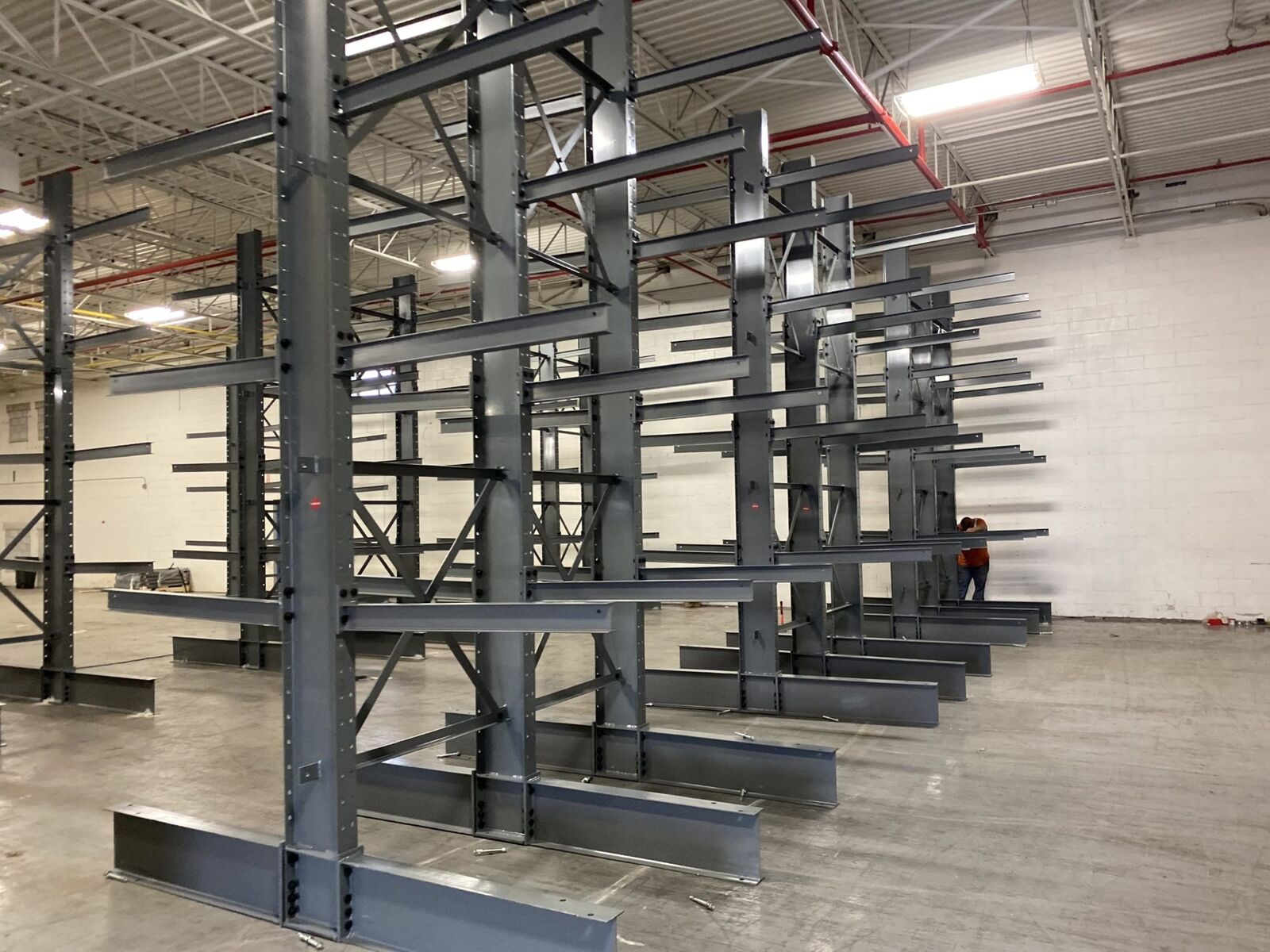
Cantilever Rack
Arms with nothing in front of them, built for lumber, pipe, and anything a pallet can't hold.
View detailsWarehouse Relocation
Teardown, label, coordinate transport and reinstall rack around a reviewed layout for the next building.
View detailsNearby Areas We Also Serve
Our delivery and installation territory covers the Salt Lake City metro and Wasatch Front, so one team can handle multiple buildings for the same company.
Where We Work
Located in Salt Lake City, we serve the entire Salt Lake metro and Wasatch Front with industrial pallet racks and warehouse storage solutions.
Salt Lake Pallet Rack
Address
3556 S 5600 W
Suite #1-1293
Salt Lake City, UT 84120
Phone
(801) 942-0493Business Hours
Monday - Friday: 8:00 AM - 6:00 PM
Saturday: Closed
Sunday: Closed
Need Carton Flow Rack in Lehi?
Call (801) 942-0493 or request a quote and we will get a layout started.