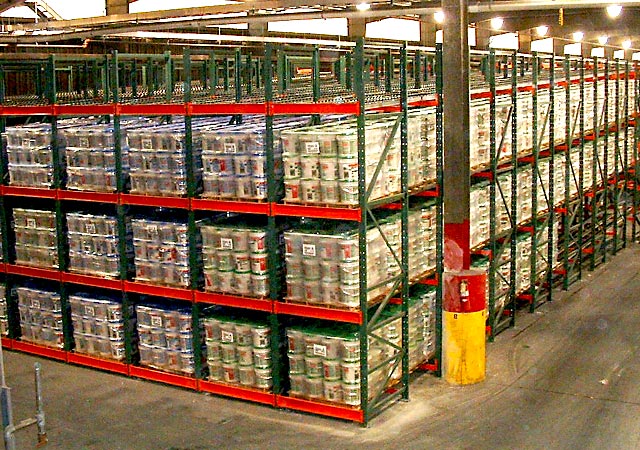
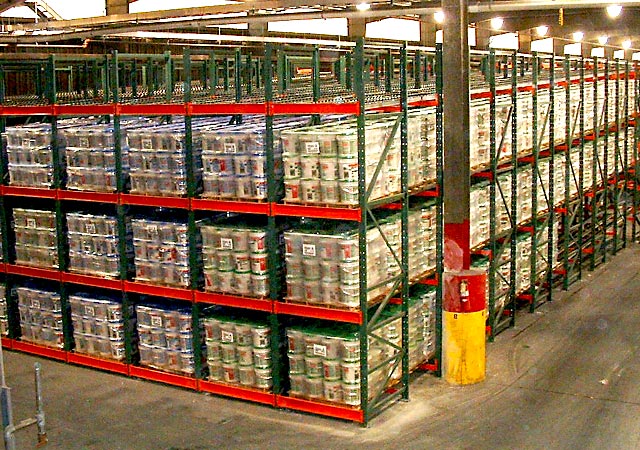
Pallet Flow Rack in Lehi, UT
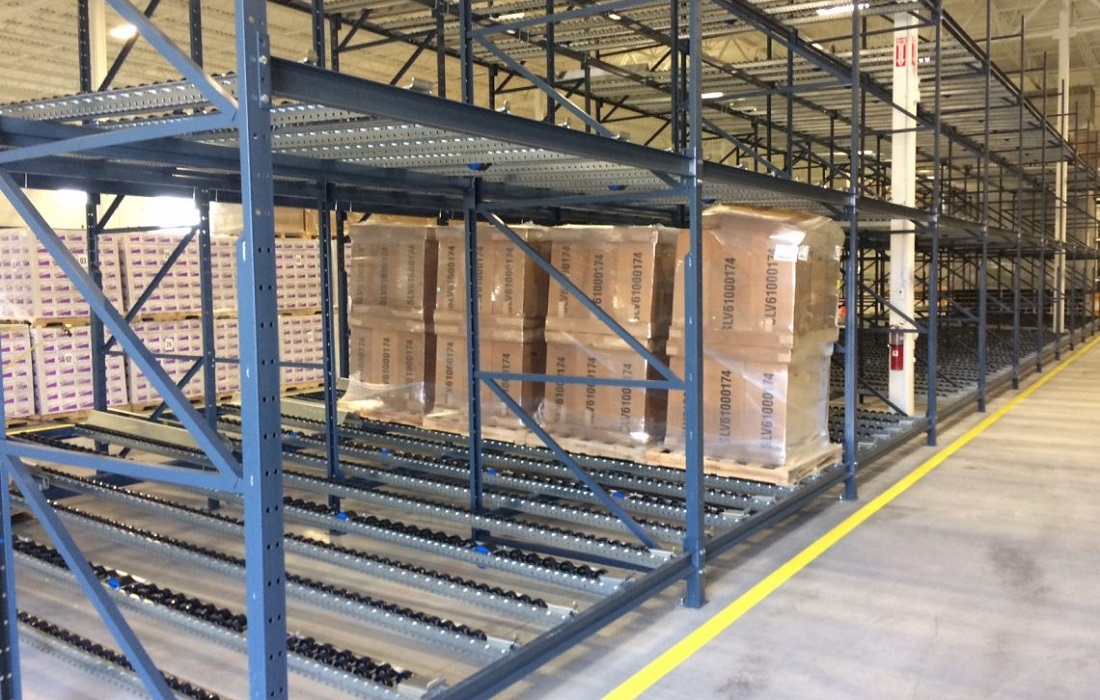
Pallet flow rack in Lehi gives high-volume inventory a defined route from receiving to retrieval. Forklifts load one face, pallets travel on inclined gravity rollers, and operators pick from the opposite face. That separation supports first-in, first-out handling without driving trucks into storage lanes, provided stock enters through its designated replenishment side.
For technology hardware, healthcare supplies, and consumer brands, the useful starting point is inventory per SKU rather than total warehouse stock. Identify products with repeated pallet quantities and meaningful date sensitivity. A few steady movers may justify dedicated lanes while slower lines remain in directly accessible positions.
Pallet flow rack rotation begins with lane assignments
Assign each lane to a compatible SKU and define any batch restrictions before selecting depth. FIFO describes the physical arrival sequence, not necessarily expiration order. If newer receipts expire earlier, your inventory system must direct placement into a suitable lane instead of assuming gravity will correct the sequence.
Estimate working lane length from normal inventory, incoming shipment quantities, and withdrawals between deliveries. Excess depth can strand positions when a product runs low. Too little depth can force receiving staff to stage surplus pallets elsewhere, undermining the intended separation between replenishment and picking.
The loading aisle and discharge aisle both need usable truck access. Map pallet approaches, withdrawal movements, and temporary staging at each end. Two working faces occupy floor area, but they also let receiving and order preparation operate without repeatedly sharing the same lane entrance.
Lehi receiving patterns across Utah County
Near Thanksgiving Point and Pioneer Crossing, technology hardware and healthcare distribution can involve very different replenishment rhythms. Use those routes as context for delivery patterns, then size lanes from your own receiving records. This division of Warehouse Equipment & Supplies Co. draws on supplying and installing warehouse equipment since 1997.
Gravity flow rack checks for actual Lehi loads
Underside contact
Document pallet construction, runner direction, board spacing, and bearing surfaces. Roller placement must suit the underside that actually travels through the lane, including approved alternate pallet styles.
Condition screening
Reject broken boards, projecting fasteners, and loose wrapping before loading. A damaged pallet can interrupt movement and leave following stock unavailable until the obstruction is addressed through the specified procedure.
Slope and length
Select lane slope together with roller characteristics and proposed travel distance. Greater incline is not a universal remedy for hesitation; light and heavy loads need evaluation within the same operating envelope.
Controlled movement
Brakes and speed controllers regulate pallet travel toward the discharge end. Confirm their arrangement against load weights and lane geometry, including the behavior of the lightest expected pallet.
Pallet flow racking versus one-aisle reserves
Pushback serves loading and retrieval from one aisle and follows LIFO within each lane. That can suit interchangeable reserve stock, but it does not provide the same physical sequence for dated healthcare consumables or promotional goods that must move through stock in arrival order.
For case picking, distinguish full-pallet replenishment from individual carton presentation. A pallet discharge face can supply a separate carton-flow area, provided the transfer route and replenishment quantities are planned. Do not treat pallet rollers as a substitute for equipment intended to support individual cases.
Representative load trials should include full and partial lane occupancy, expected pallet weights, and discharge handling. Check that a removed pallet allows the next load to advance as intended. Establish an isolation and recovery procedure for stalled loads rather than allowing improvised access into occupied lanes.
Recent Installations
Racking projects completed for warehouses across the Salt Lake City metro and Wasatch Front.


Build a lane plan from your Lehi inventory for pallet flow racking
Send representative pallet photographs, SKU balances, date-control rules, and a drawing showing both working faces. We can discuss roller contact, braking, and occupied positions together, then outline the equipment and installation scope around the warehouse activities you need to maintain. (801) 942-0493.
Salt Lake Pallet Rack
3556 S 5600 W
Suite #1-1293
Salt Lake City, UT 84120
(801) 942-0493Monday - Friday: 8:00 AM - 6:00 PM
Lehi pallet flow rack planning questions
Other Storage Services in Lehi
Pallet Rack
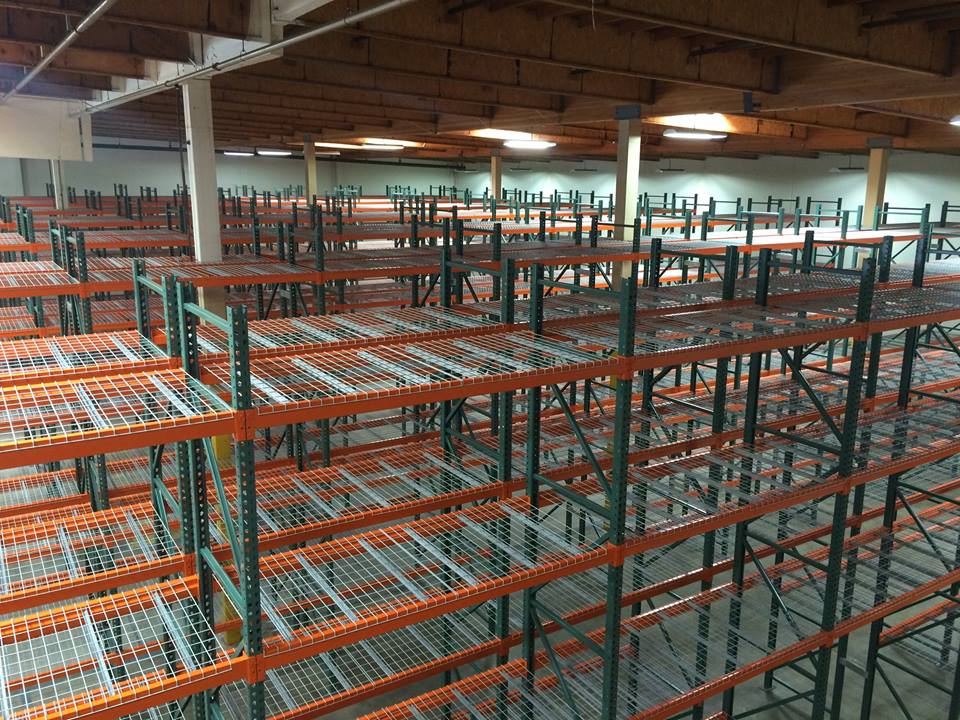
Every pallet reachable, every time. The baseline we size everything else against.
View details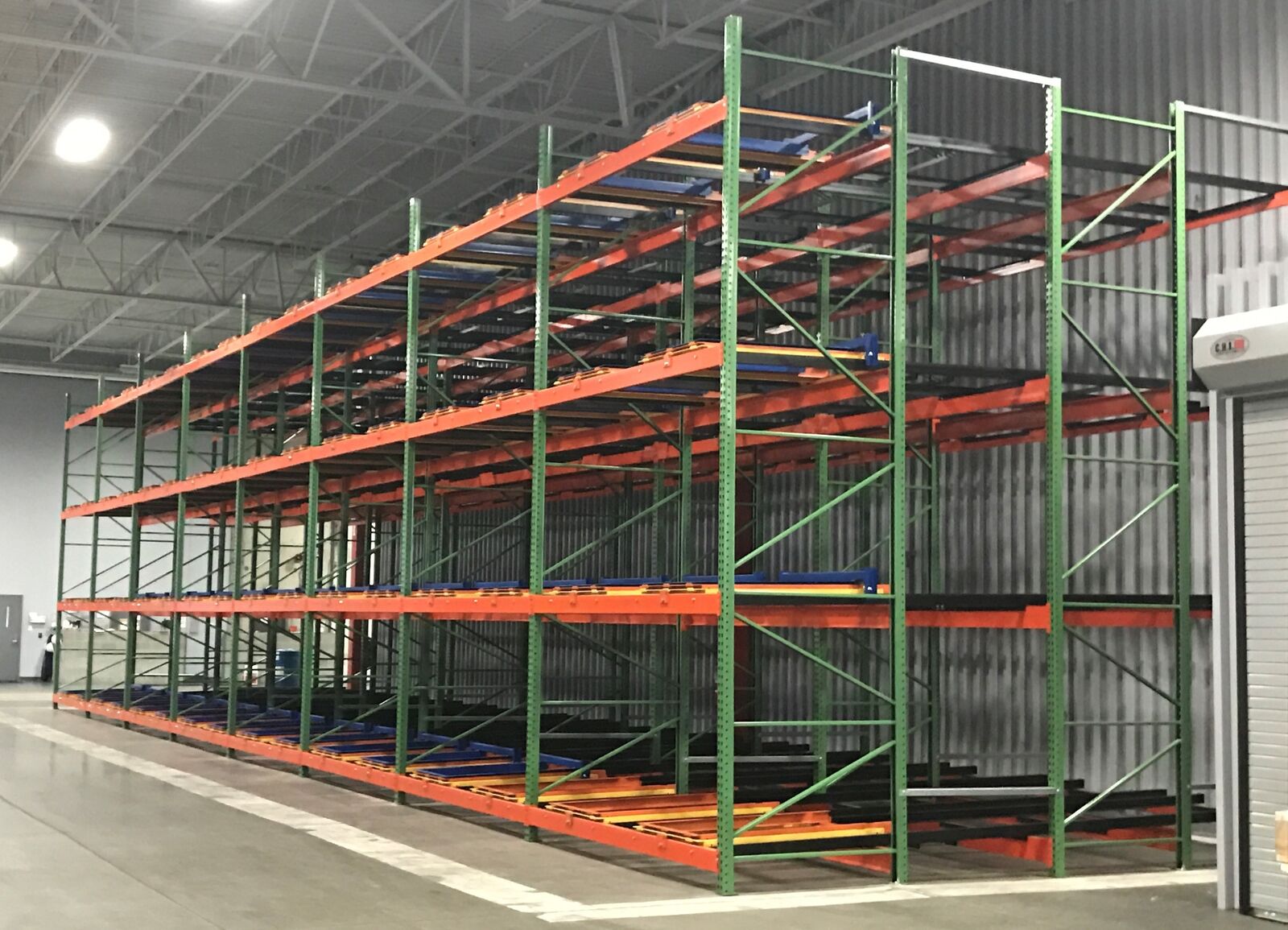
Pushback Rack
Two to six pallets deep from one aisle, without giving up much reach.
View details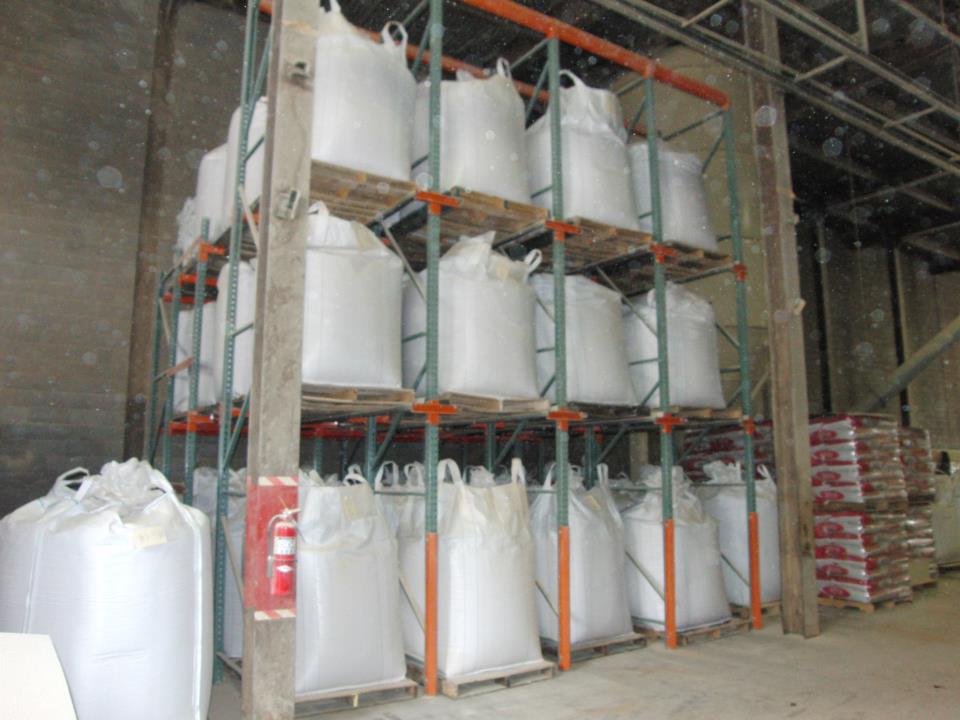
Drive-In Rack
Forklift access inside deep storage lanes for bulk inventory, with fewer access aisles.
View details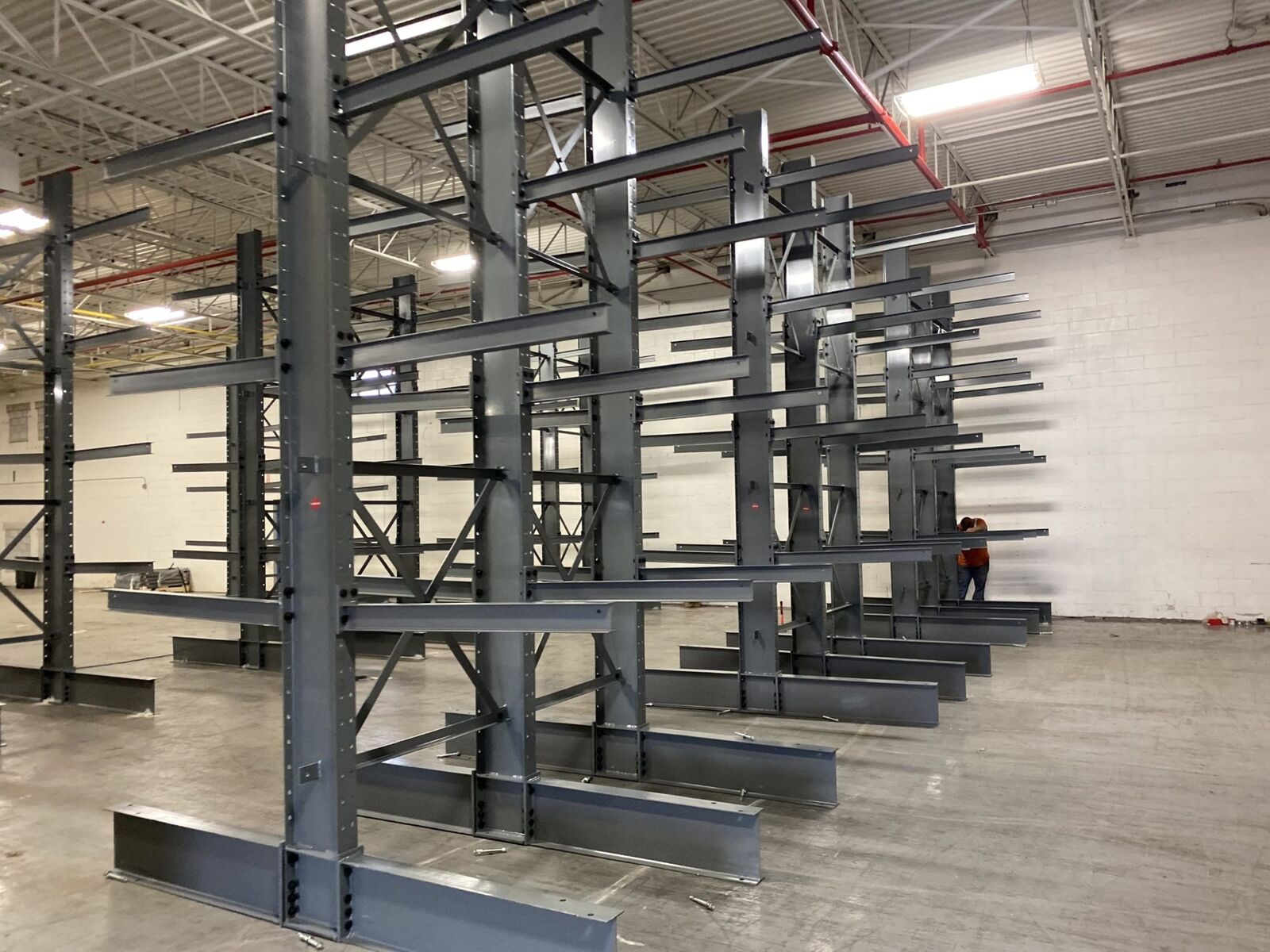
Cantilever Rack
Arms with nothing in front of them, built for lumber, pipe, and anything a pallet can't hold.
View details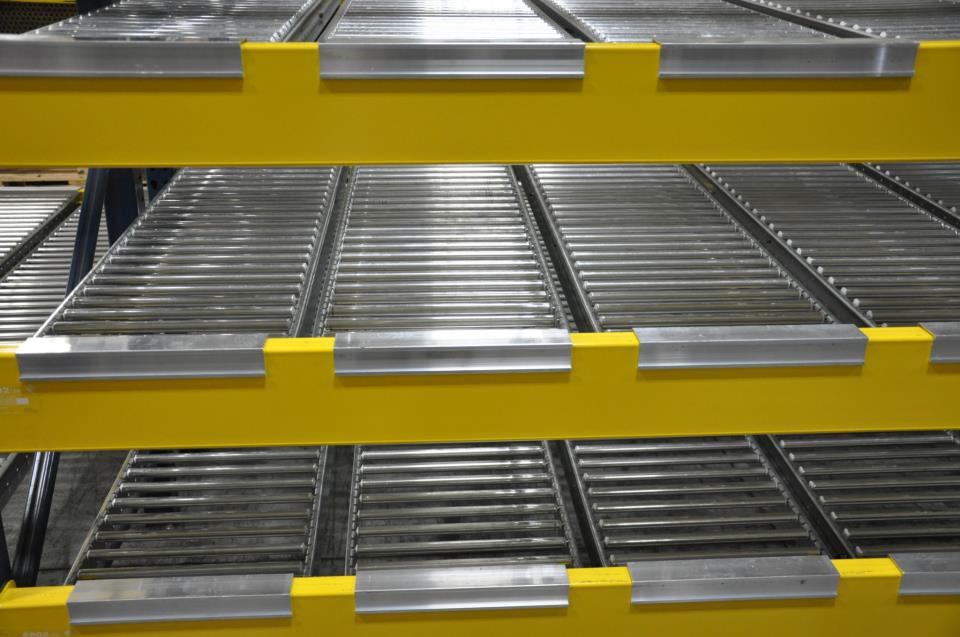
Carton Flow Rack
Cases advance to the picker instead of the picker hunting for cases.
View detailsWarehouse Relocation
Teardown, label, coordinate transport and reinstall rack around a reviewed layout for the next building.
View detailsNearby Areas We Also Serve
Our delivery and installation territory covers the Salt Lake City metro and Wasatch Front, so one team can handle multiple buildings for the same company.
Where We Work
Located in Salt Lake City, we serve the entire Salt Lake metro and Wasatch Front with industrial pallet racks and warehouse storage solutions.
Salt Lake Pallet Rack
Address
3556 S 5600 W
Suite #1-1293
Salt Lake City, UT 84120
Phone
(801) 942-0493Business Hours
Monday - Friday: 8:00 AM - 6:00 PM
Saturday: Closed
Sunday: Closed
Need Pallet Flow Rack in Lehi?
Call (801) 942-0493 or request a quote and we will get a layout started.