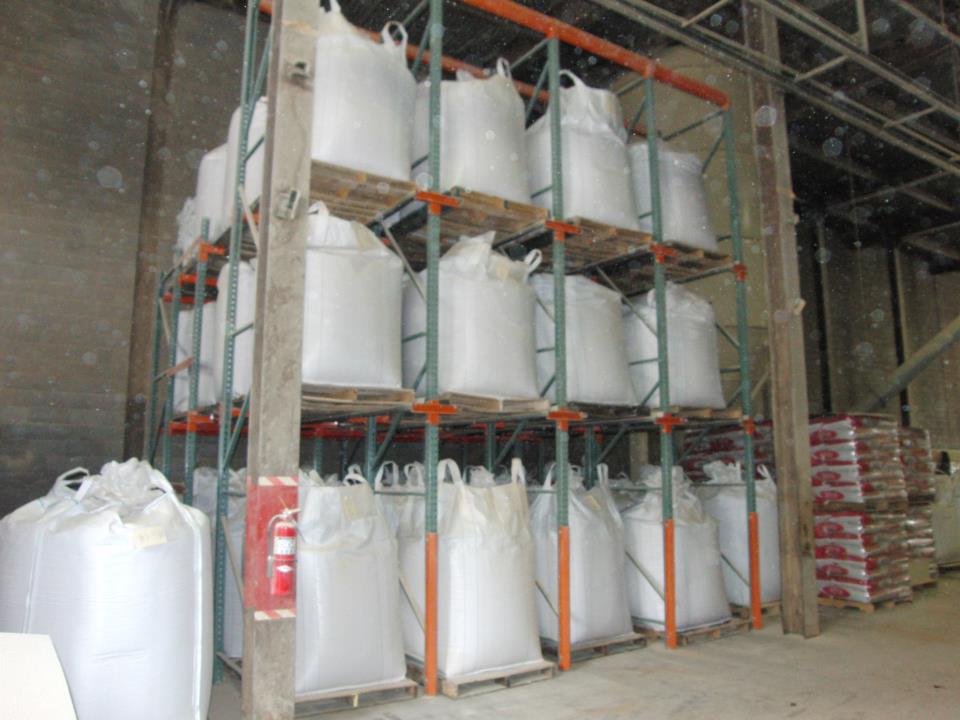
Drive-In Rack in Lehi, UT
Drive-in rack in Lehi can consolidate reserve inventory when you carry many pallets across relatively few SKUs. Instead of providing an aisle beside every pallet position, the layout groups matching loads behind one another. That arrangement suits replenishment stock better than orders requiring frequent access to individual pallets.
Start with your inventory report, not a target position count. Technology hardware, consumer products, and healthcare supplies can have very different batch requirements even within one warehouse. Separate full-pallet reserves from active picking stock, then identify which products can share a loading sequence without creating retrieval problems.
Drive-in pallet rack starts with SKU depth
Use actual pallets per SKU across ordinary weeks and seasonal peaks to select lane depth. A lane that holds more pallets than its assigned product usually needs leaves inaccessible openings behind other stock. Compare occupied positions, not merely the number of positions drawn on a layout.
Single-entrance storage follows last-in, first-out handling: the newest accessible pallet normally leaves before the pallets behind it. Assign lanes by SKU and, where necessary, by lot. Products requiring strict date rotation need a different arrangement rather than a promise that operators can work around blocked inventory.
Drive-thru racking provides opposite loading and unloading ends for first-in, first-out movement when lanes are operated accordingly. Both approaches reserve space for access, but the two-ended arrangement needs working room on each side. Compare that footprint against rotation needs before deciding which configuration belongs in the reserve area.
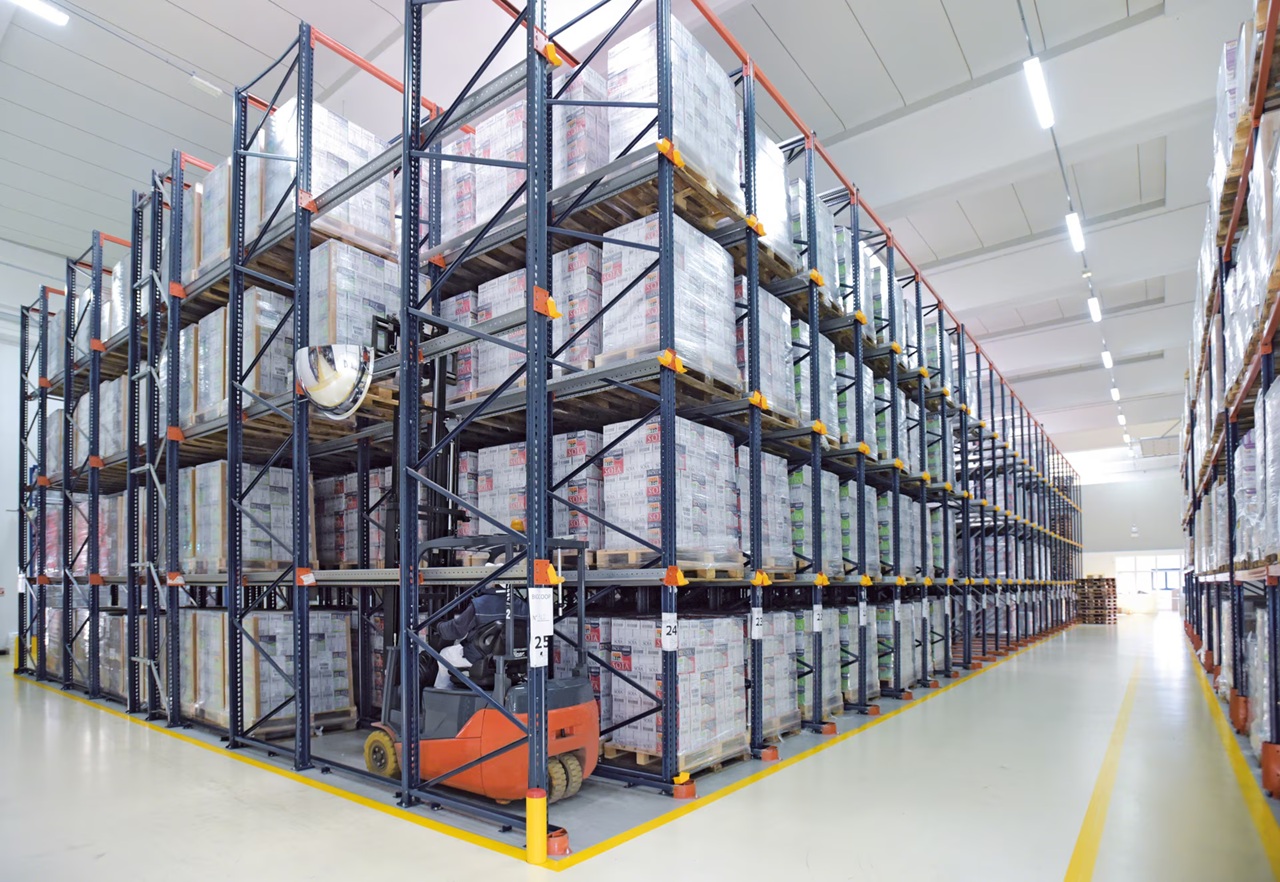
Reserve planning around Lehi's freight approaches
For operations near Pioneer Crossing and the I-15 corridor at Thanksgiving Point, the useful question is how inbound loads become replenishment stock. A hardware assembler may reserve common components differently from a consumer brand holding finished goods. We connect those handling patterns to lane assignments and receiving space. As a division of Warehouse Equipment & Supplies Co., we draw on its supplying and installing work since 1997.
Drive-in rack fit checks before layout approval
Truck operating envelope
Record chassis width, mast dimensions, attachments, and the loaded envelope. Check clearances throughout entry, travel, lifting, and withdrawal rather than using nominal truck width alone.
Pallet bearing
Confirm pallet dimensions, underside construction, condition, and weight. Supporting rails must provide the specified bearing for the actual pallet, including allowable placement variation.
Entry guidance
Size entry guides around the truck chassis and approach geometry. Guides direct the truck into its lane; they do not carry stored pallets or replace operator alignment.
Usable depth
Test proposed lanes against actual SKU volumes and replenishment quantities. Reserve room for stock changes so a temporary peak does not dictate every lane's depth.
Drive-in rack handling and alternative layouts
The forklift travels on the floor inside the storage lane while pallets rest on elevated supporting rails. Those are separate functions. Rail elevations and lane openings must accommodate the truck mast and load throughout the handling cycle, including any pallet or wrapping overhang beyond the forks.
Cooler and freezer reserves can benefit from reducing aisle space, provided inventory depth supports the arrangement. Review packaging behavior, pallet condition, visibility, and the truck's suitability for the operating temperature. A compact storage block only helps when operators can place and recover loads without repeated repositioning.
For mixed reserves, compare pushback before committing to deeper truck-entry lanes. Pushback keeps the forklift at the aisle and offers separate lanes for different products, although each lane remains LIFO. Selective storage can retain direct access for short runs while deeper lanes hold the larger, steadier reserves.
Recent Installations
Racking projects completed for warehouses across the Salt Lake City metro and Wasatch Front.


Bring the inventory behind your position target
Share pallet counts by SKU, typical shipment sizes, truck specifications, and photographs of representative loads. We can compare lane depths and access arrangements before preparing the scope. Experienced crews are scheduled and managed by our team, with installation sequencing discussed around receiving activity and the space available for staging materials. (801) 942-0493.
Salt Lake Pallet Rack
3556 S 5600 W
Suite #1-1293
Salt Lake City, UT 84120
(801) 942-0493Monday - Friday: 8:00 AM - 6:00 PM
Lehi deep-lane questions
Other Storage Services in Lehi
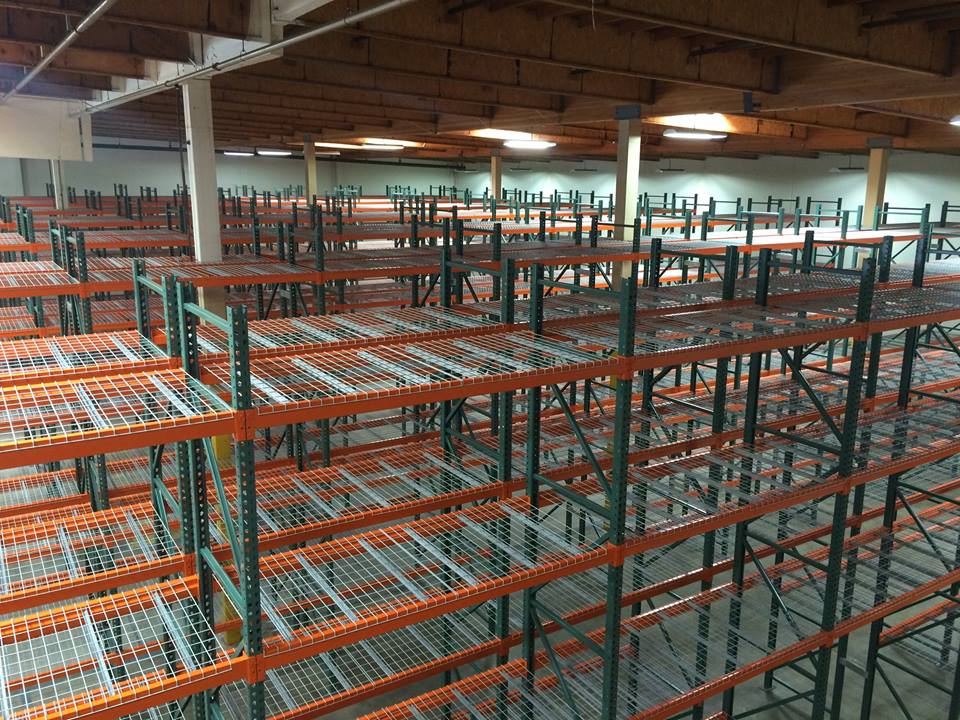
Pallet Rack
Every pallet reachable, every time. The baseline we size everything else against.
View details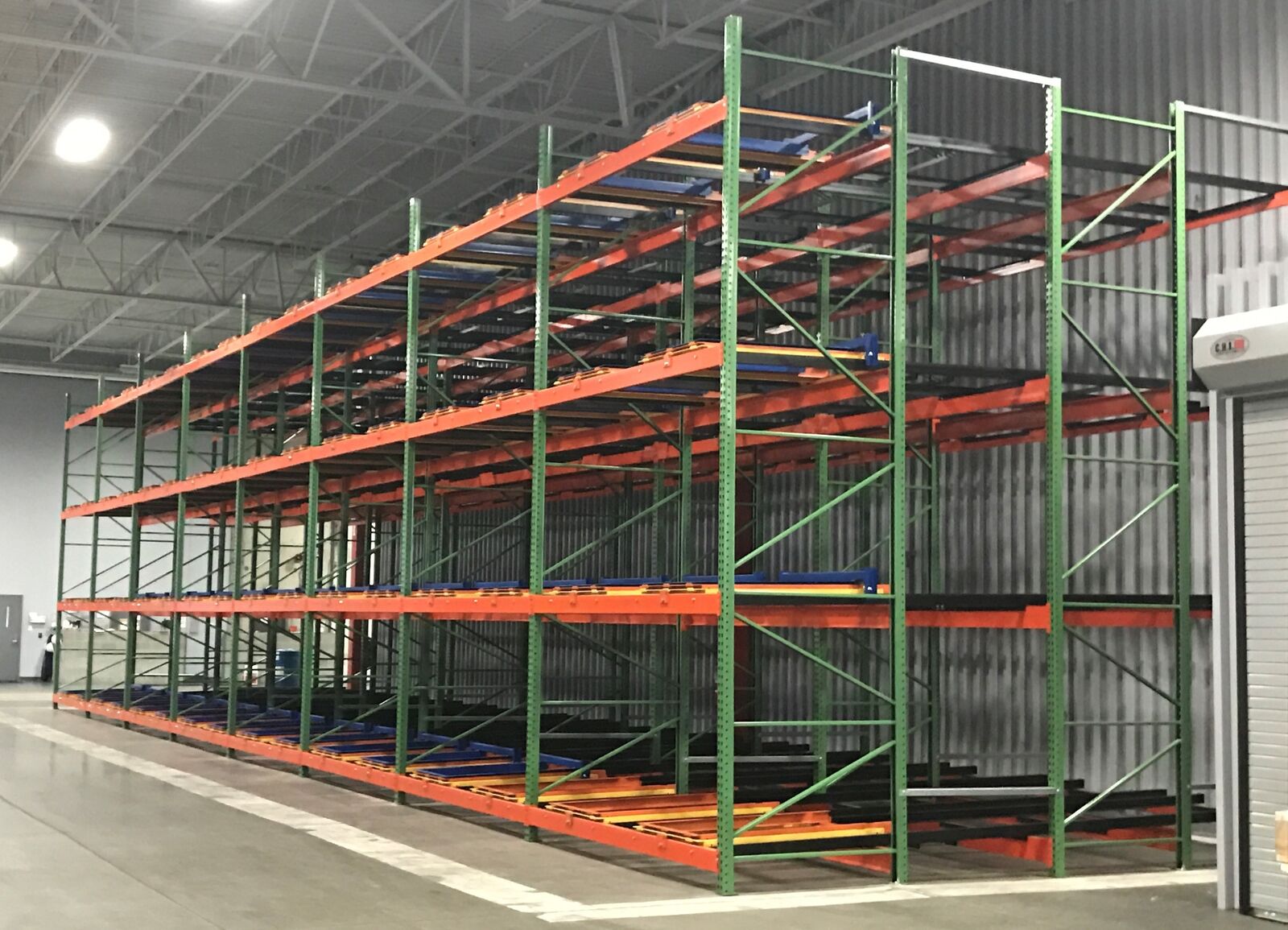
Pushback Rack
Two to six pallets deep from one aisle, without giving up much reach.
View details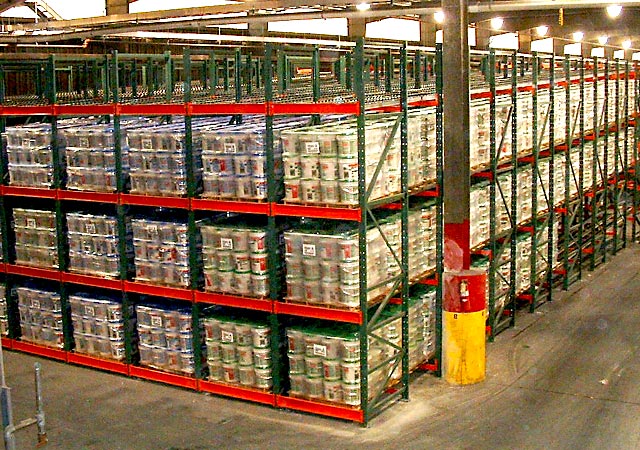
Pallet Flow Rack
Load one side, pick the other, and let gravity enforce first in, first out.
View details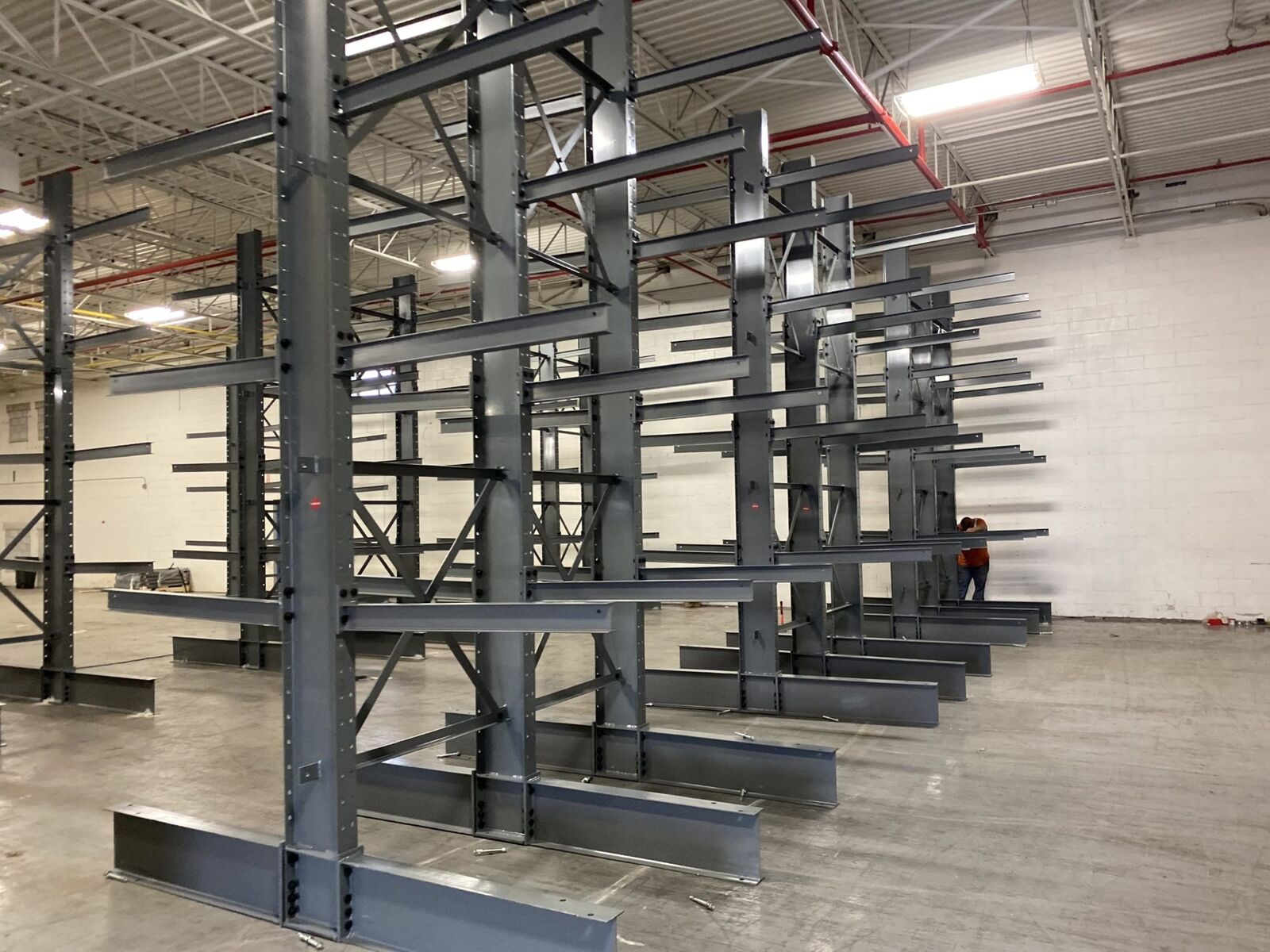
Cantilever Rack
Arms with nothing in front of them, built for lumber, pipe, and anything a pallet can't hold.
View details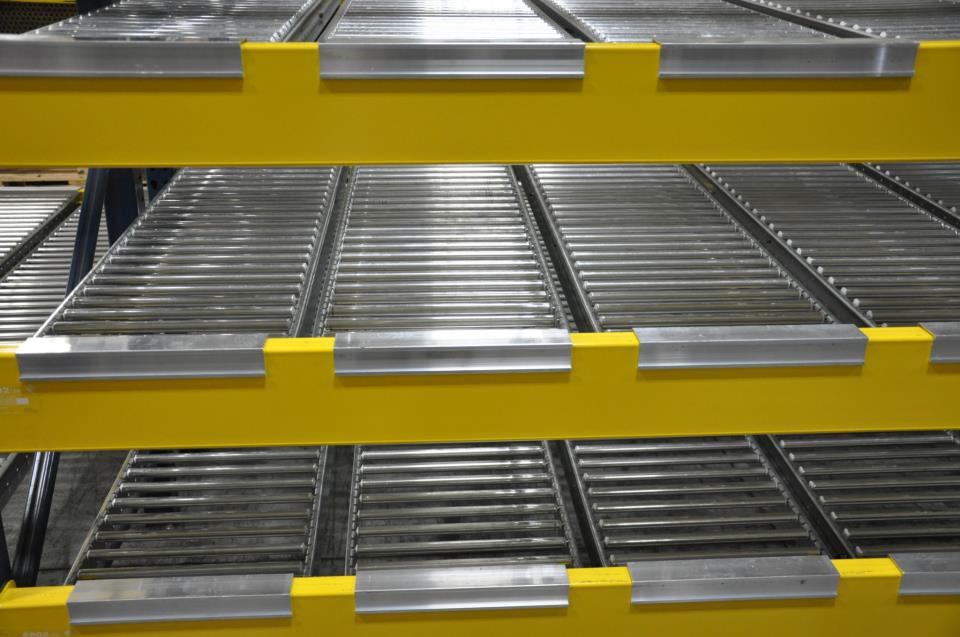
Carton Flow Rack
Cases advance to the picker instead of the picker hunting for cases.
View detailsWarehouse Relocation
Teardown, label, coordinate transport and reinstall rack around a reviewed layout for the next building.
View detailsNearby Areas We Also Serve
Our delivery and installation territory covers the Salt Lake City metro and Wasatch Front, so one team can handle multiple buildings for the same company.
Where We Work
Located in Salt Lake City, we serve the entire Salt Lake metro and Wasatch Front with industrial pallet racks and warehouse storage solutions.
Salt Lake Pallet Rack
Address
3556 S 5600 W
Suite #1-1293
Salt Lake City, UT 84120
Phone
(801) 942-0493Business Hours
Monday - Friday: 8:00 AM - 6:00 PM
Saturday: Closed
Sunday: Closed
Need Drive-In Rack in Lehi?
Call (801) 942-0493 or request a quote and we will get a layout started.