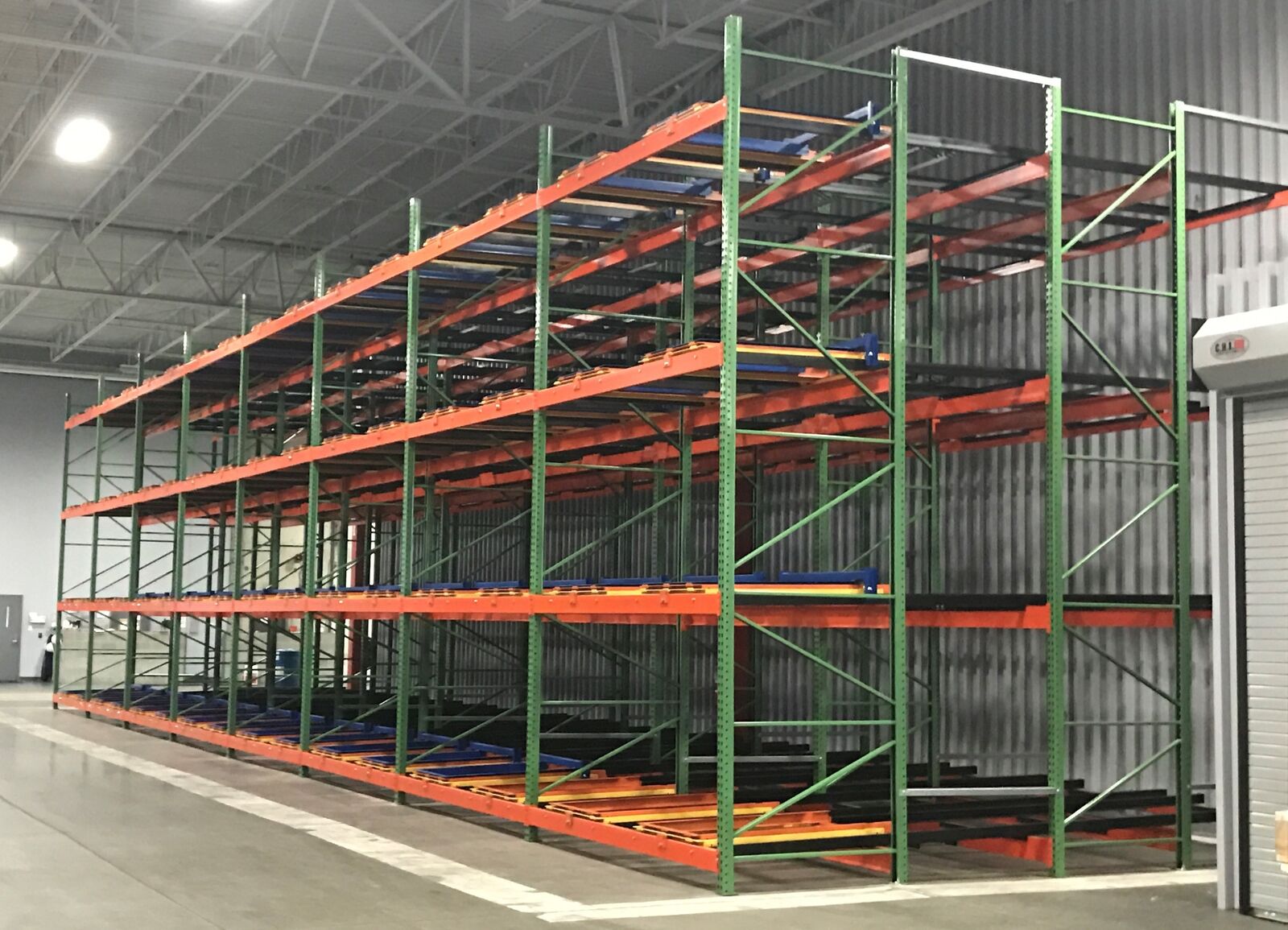
Pushback Rack in West Jordan, UT
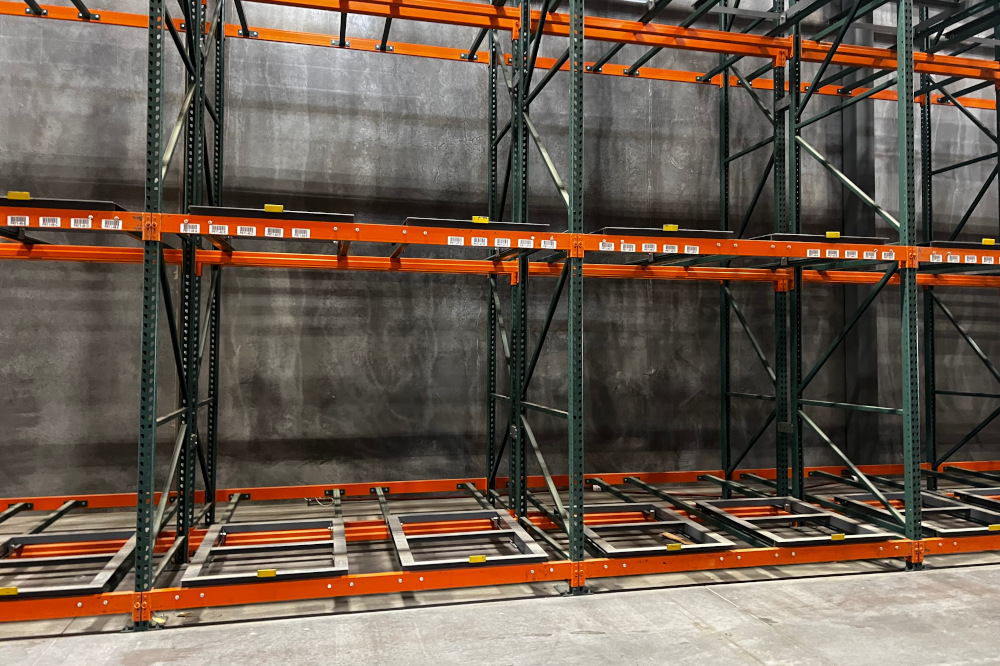
Pushback rack in West Jordan creates multi-pallet reserve lanes served from the aisle, using nested carts that travel on inclined rails. As another pallet is loaded, earlier loads move rearward. During controlled removal, the remaining inventory advances toward the front without the forklift entering the lane.
The arrangement is worth examining when repeated stock occupies floor area that could support receiving or order assembly. It is not a substitute for understanding inventory. Separate bulky reserve loads from products selected individually, then determine which SKUs consistently carry enough pallets to use the proposed lane depth.
Pushback rack geometry must fit the available height
Available vertical space affects more than the number of beam levels. Include loaded pallet height, the selected cart-and-rail geometry, lift requirements, and clearances when placing each level. In a lower-clear-height building, an assumed extra tier may disappear once the complete operating arrangement is drawn.
Use actual weights to size beams and frames for the selected depth and system reactions. Building-material loads can vary substantially between products that occupy similar pallet footprints. Record the heaviest intended pallet and its load distribution rather than estimating capacity from carton dimensions or a typical shipment.
Check the approach with the actual truck and attachments. Operators stay in the aisle, but they still need room to align, raise, and withdraw a load without interfering with adjacent activity. A narrow aisle on paper is not useful if ordinary pallet handling requires repeated repositioning.
Matching southwest freight access to usable storage
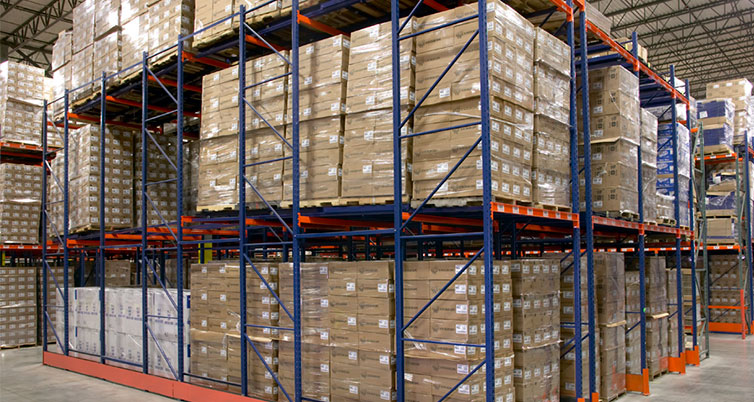
For West Jordan operations using Bangerter Highway and Mountain View Corridor, delivery access should inform the receiving area without dictating lane depth. A building-material distributor may need space to sort mixed arrivals before storing matching pallets. Manufacturing reserves can need separate lanes for common inputs and selective positions for less frequent parts. Our team is a division of Warehouse Equipment & Supplies Co.; the company has supplied and installed warehouse equipment since 1997.
Push back racking inventory and support checks
Depth by SKU
Compare actual pallets per SKU through normal replenishment cycles. Two to six pallets deep is a common configuration range, not a requirement to assign every product the same depth.
Load stability
Review wrapping, pallet condition, overhang, and the distribution of heavy goods. Movement on carts requires a stable load supported at the intended bearing locations throughout the handling cycle.
Compatible additions
Before adding a lane system to existing rack, verify frame and beam identification, connections, condition, elevations, and capacity. Reuse is a design question, not an assumed benefit.
Lane assignments
Separate products or lots that cannot block one another. A nominally empty position behind unrelated stock is not available for the next pallet an operator needs to store.
Pushback rack operation compared with other formats
A pushback pallet rack normally operates LIFO within each lane. Newly placed stock stands in front of earlier loads, so the lane should contain inventory that can tolerate that withdrawal sequence. Products needing a particular batch retrieved first require a different access strategy.
Selective rack gives direct pallet access and can remain valuable beside the reserve block for varied building supplies or manufacturing components. Fewer aisles in the deeper storage area do not eliminate the need for individual selection elsewhere. Assess the combined arrangement against usable occupied positions.
Drive-in can be appropriate for larger quantities of matching stock, although its truck-entry method changes handling requirements. For FIFO food inventory, compare pallet flow with loading and picking on opposite faces. Choose based on rotation, batch size, and operating space rather than assuming all deep storage works alike.
Recent Installations
Racking projects completed for warehouses across the Salt Lake City metro and Wasatch Front.


Measure the full load before selecting levels
Provide loaded pallet heights, maximum weights, a building sketch, and the lift truck specifications. Include photographs of existing rack if reuse is under consideration. We can examine depth and vertical arrangement together while preserving the floor space needed to receive and assemble orders. (801) 942-0493.
Salt Lake Pallet Rack
3556 S 5600 W
Suite #1-1293
Salt Lake City, UT 84120
(801) 942-0493Monday - Friday: 8:00 AM - 6:00 PM
West Jordan reserve-storage questions
Other Storage Services in West Jordan
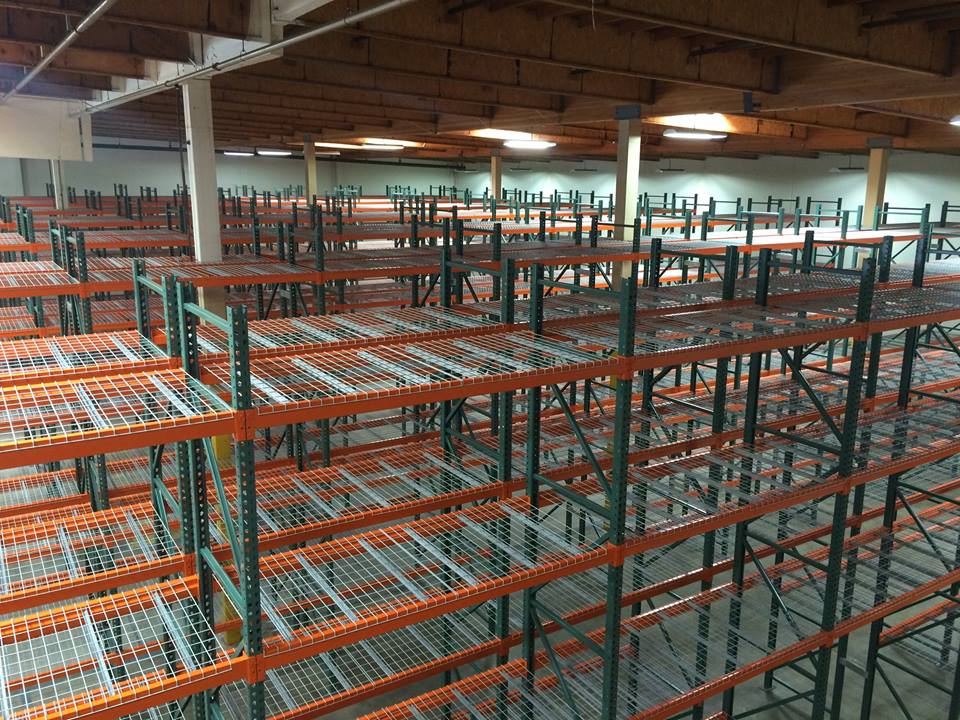
Pallet Rack
Every pallet reachable, every time. The baseline we size everything else against.
View details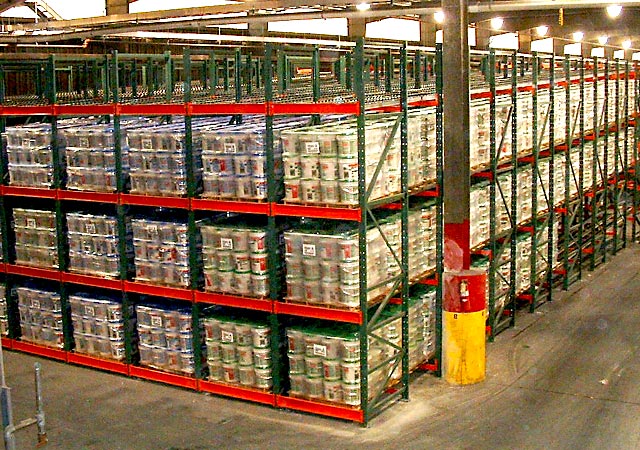
Pallet Flow Rack
Load one side, pick the other, and let gravity enforce first in, first out.
View details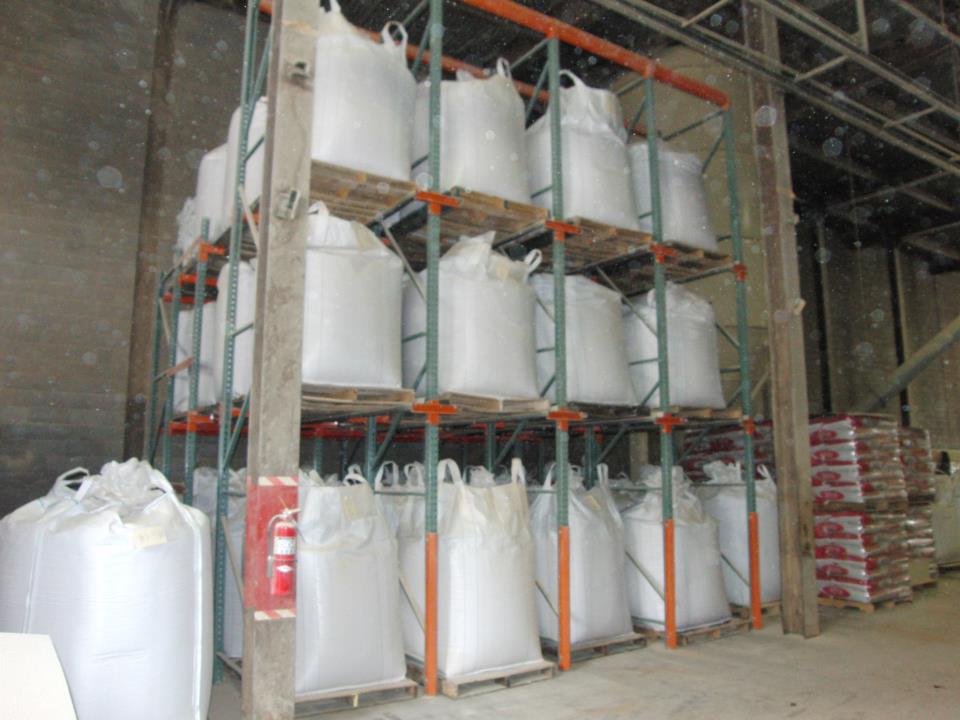
Drive-In Rack
Forklift access inside deep storage lanes for bulk inventory, with fewer access aisles.
View details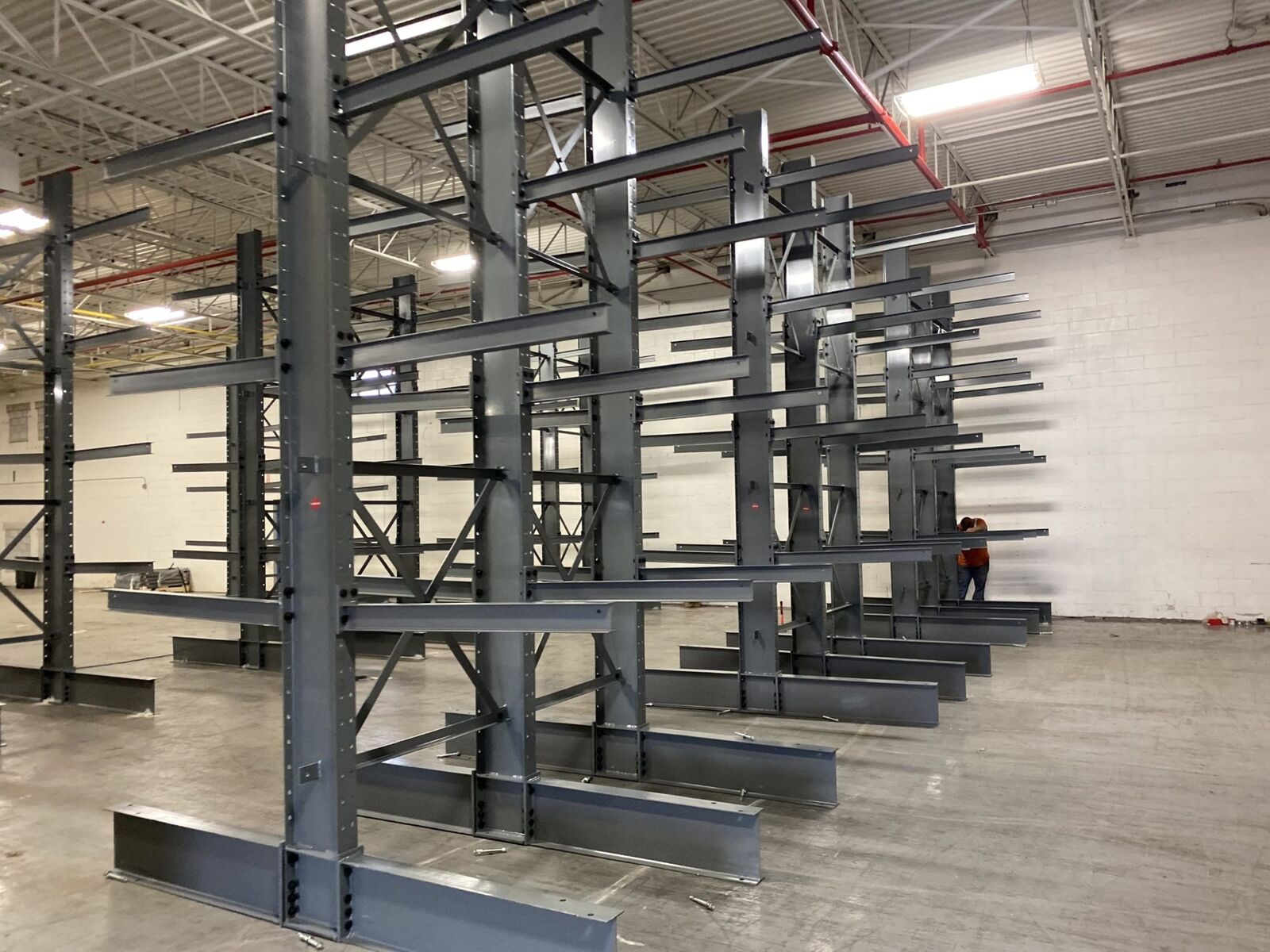
Cantilever Rack
Arms with nothing in front of them, built for lumber, pipe, and anything a pallet can't hold.
View details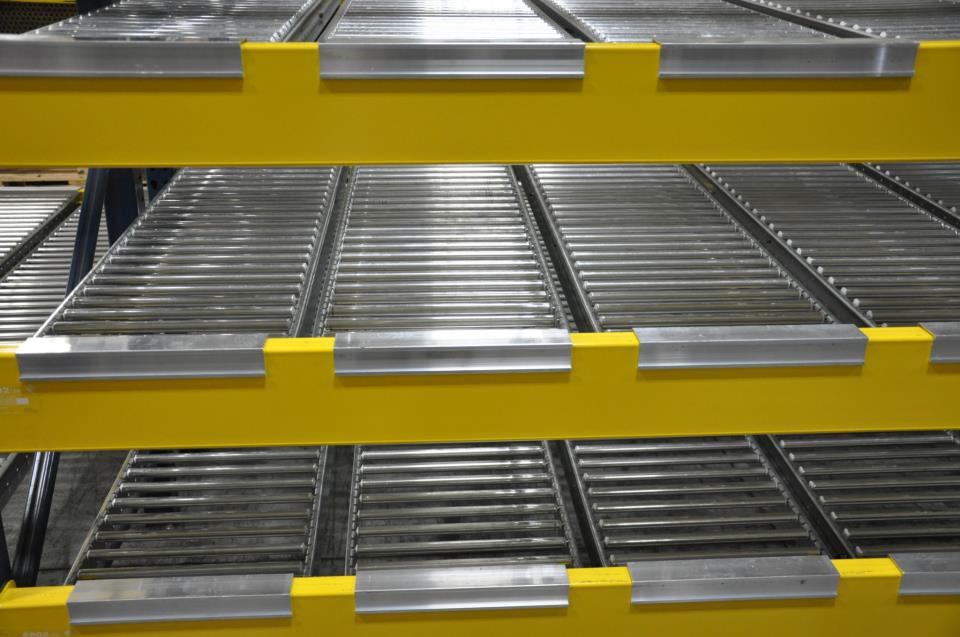
Carton Flow Rack
Cases advance to the picker instead of the picker hunting for cases.
View detailsWarehouse Relocation
Teardown, label, coordinate transport and reinstall rack around a reviewed layout for the next building.
View detailsNearby Areas We Also Serve
Our delivery and installation territory covers the Salt Lake City metro and Wasatch Front, so one team can handle multiple buildings for the same company.
Where We Work
Located in Salt Lake City, we serve the entire Salt Lake metro and Wasatch Front with industrial pallet racks and warehouse storage solutions.
Salt Lake Pallet Rack
Address
3556 S 5600 W
Suite #1-1293
Salt Lake City, UT 84120
Phone
(801) 942-0493Business Hours
Monday - Friday: 8:00 AM - 6:00 PM
Saturday: Closed
Sunday: Closed
Need Pushback Rack in West Jordan?
Call (801) 942-0493 or request a quote and we will get a layout started.